Culture ·
A Small Work of Art Changes the Distance of Looking
Viewing distance, neighbouring objects and light can change how a small picture lives in a room.
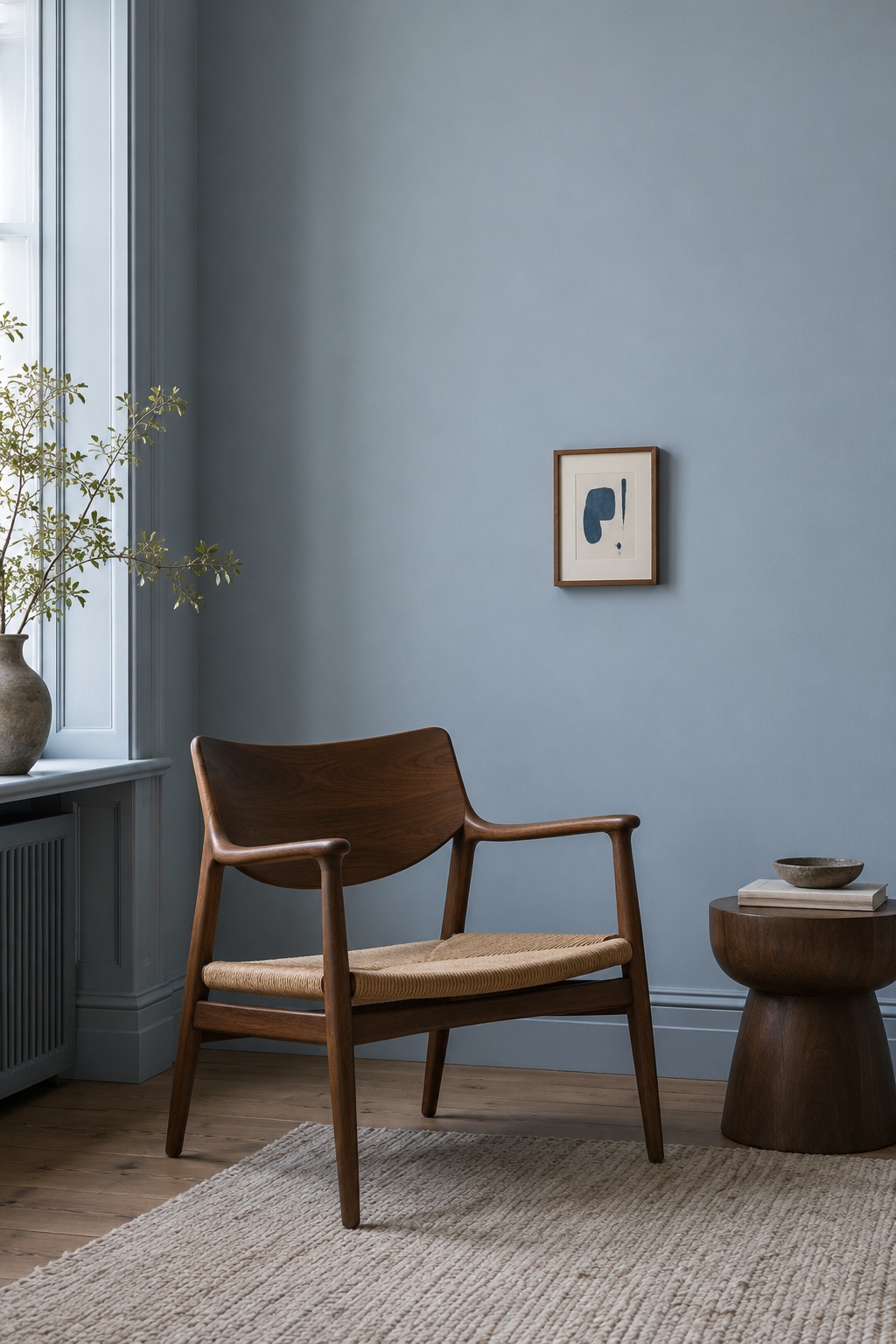
A small picture can disappear above a sofa and become absorbing beside a chair. The work has not changed. The distance at which you meet it has.
Small art asks a room for a different kind of attention. It may offer a line, a shift in tone or an expression that needs a closer look. Hanging it where every encounter takes place across the room can make that request difficult to hear. Buying a larger frame does not necessarily solve the problem; sometimes the more useful change is where you stand or sit.
Our starting point is the encounter. Before adding another object, try placing a work you already own where you can approach it comfortably, see its details and enjoy returning to it. Then consider the practical limits of that location. The most beautiful spot is of little use if it exposes a vulnerable picture to conditions it cannot safely tolerate.
Separate the image, the sheet and the frame
An online artwork photograph often fills the screen. At home, the image may occupy only part of a sheet, which sits inside a mount and frame. Those are three related scales, and it helps to know which measurement you are imagining.
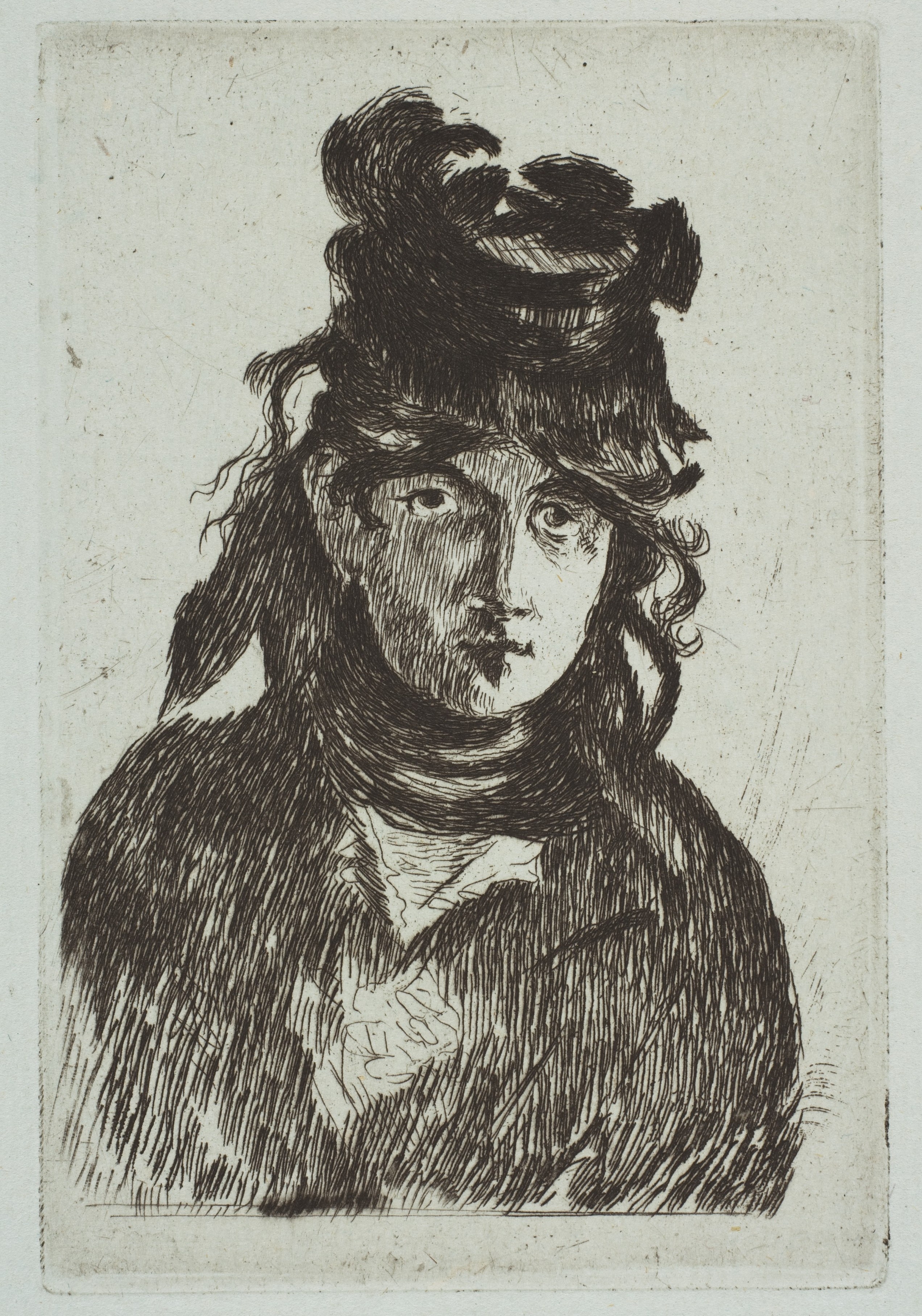
Consider Édouard Manet's Portrait of Berthe Morisot in the Metropolitan Museum of Art. The museum records a plate measuring 11.9 by 7.9 centimetres, on a sheet measuring 24 by 18.4 centimetres. Its date is listed as 1872–74, and the catalogue identifies the impression with the 1905 Strölin edition. The distinction between the image area and the paper around it is substantial.
That record is an example for learning to look, not a recommendation of a copy for sale. It shows why a product page's single dimension can leave a buyer picturing the wrong presence. Before deciding where a print belongs, establish what has been measured and include the eventual frame in your plan.
You can sketch the outer size on plain paper and hold it near a proposed position, keeping the mock-up separate from the artwork. The outline will not reproduce the work's visual intensity, but it can help you see how much space you are actually giving it.
Find the moment when someone can stop
A picture beside a reading chair has a different audience from one on a busy route through the room. In the first position, someone may sit long enough to notice a fine line. In the second, the work may be seen mostly in passing.
Neither use is inherently better. Choose the encounter that suits what you like about the piece. A small, strongly coloured image may hold its own in a quick glance. A pale drawing full of detail may reward a quieter position. Those are judgments to test with the actual work and room.
Look from the position you really occupy. Sit down, approach from the doorway and pass through with the room in use. Notice doors, furniture, reaching arms and the things that need to be cleaned nearby. A place that looks elegant in an empty photograph can be inconvenient in a lived room.
We favour a location that makes looking easy without requiring a ritual. The picture should be available to attention, rather than a demand to rearrange the day around it.
Give the work a legible neighbour
Small does not mean it must be surrounded by small things. A compact work can become more present beside one larger form if the relationship feels clear. It can also disappear among objects that compete for every inch around it.
Start with fewer neighbours and add them deliberately. The edge of a lamp, the colour of a chair or a line in a shelf may give your eye a route toward the picture. An arrangement of several frames can create another rhythm, but the group should still allow you to see what you liked about each work.
Our preference is to preserve some visual breathing room around detail. Try removing a nearby object before buying a larger frame or another print. The improvement may come from clearing a competing edge rather than filling more wall.
There is no universal hanging height that resolves every combination of frame, furniture, viewer and room. Test the position from the viewpoints that matter to you. If you are mounting a framed work, use hardware appropriate to its weight and the wall, and seek competent help when either is uncertain. Styling enthusiasm does not establish a secure fixing.
Let light serve both looking and care
The place with the most flattering sunbeam may be a poor choice for a work on paper. The Canadian Conservation Institute's paper-care guidance explains that visible light can fade sensitive paper and colourants, and that exposure accumulates. UV filtering does not make unlimited display harmless.
For a home, begin by avoiding direct sun and unnecessary prolonged illumination. Check how light reaches the spot through the day before committing to it. A framed work can be difficult to see through glare even when its placement otherwise seems right.
The appropriate display conditions depend on the actual medium and materials. Ask a qualified framer or conservator about a fragile, valuable or light-sensitive work. Museum recommendations are a basis for care, not a promise that one household lamp or glazing product makes every artwork safe.
Do not try to make a faint image more visible by putting it in harsher light. A closer viewing position or a less reflective arrangement may be the more useful first experiment. Care should help the work remain available to look at.
Try the room before buying for it
Move a sound, safely handled framed work to a different suitable location before deciding that a room needs another purchase. Compare the experience from the chair, the doorway and a comfortable standing distance. Keep the artwork supported and protected during the experiment; do not leave a casually propped frame where it could fall.
If the problem is really framing, our guide to the full cost of framing a print helps separate that decision from the price of the sheet. If you are still choosing a work, the first-print guide considers the questions that come before display.
Sometimes a small picture wants a modest adjustment: a quieter neighbour, less glare, a closer chair. Once those conditions are right, its scale becomes part of the pleasure. You have to come a little nearer, and the room gives you a reason to do so.