Culture ·
Your first print should reward a second look.
A useful first purchase begins with an image you want to live with, then asks exactly what the seller is offering.
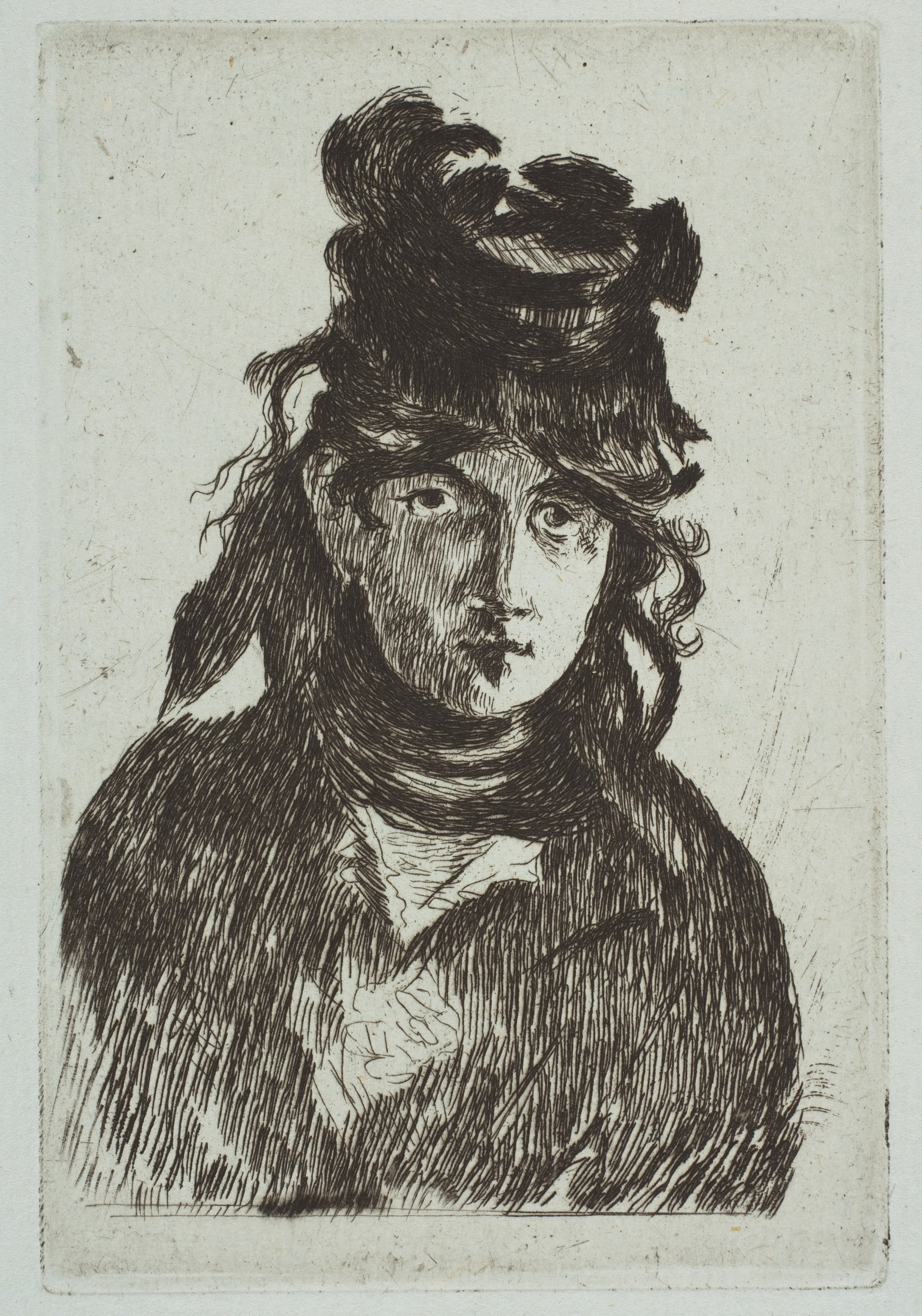
The extravagant black hat in Édouard Manet’s portrait of Berthe Morisot occupies almost as much attention as her face, and that imbalance makes the image worth returning to. The dark strokes gather around her while the paper remains visible through the lighter passages. Looking at the Metropolitan Museum’s impression, you can enjoy that encounter before learning its dates, process or edition. Buying a print asks for both kinds of attention: the pleasure that brings you closer and the questions that tell you what will arrive.
The temptation with a first purchase is to find a respectable reason for liking it, preferably one involving a famous name or a small number. A numbered edition can supply that reassurance remarkably quickly. But imagine the image without its listing, price or persuasive room photograph. If you would still stop for the awkward posture, improbable colour or beautifully observed sleeve, there is something to investigate. A first print can begin a collection without having to audition as an investment.
The word “print” needs a little more information.
A print can be an artwork conceived for a printing process, a reproduction of another artwork, or a photographic image realised through a particular printing method. These descriptions sometimes overlap. MoMA’s introduction to printmaking distinguishes processes including woodcut, etching, lithography and screenprint; each makes different demands on the material. A reproduction can also involve skilled printing, while the existence of an edition tells you very little about whether its image began as a painting, photograph or design for a plate.
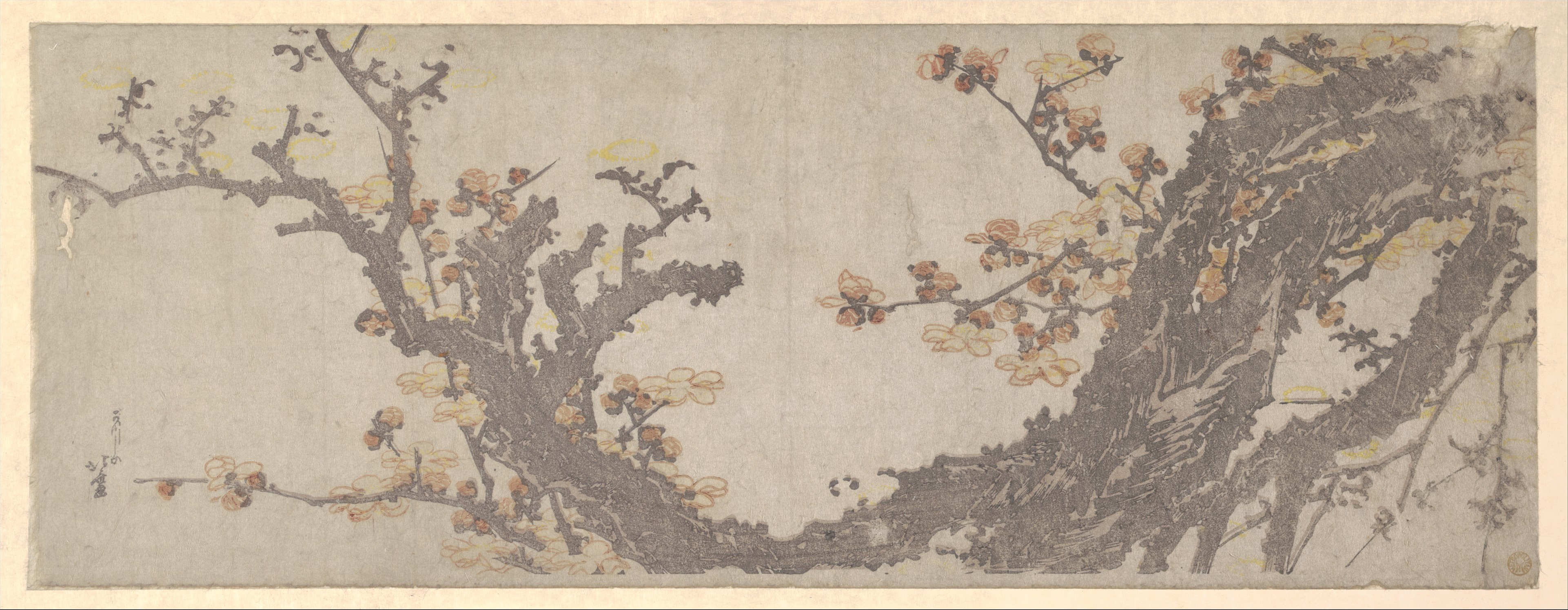
The useful question is therefore what made this particular sheet, including the image’s origin, the printing method and the person or workshop responsible. Hokusai’s *Ancient Plum Tree in Bloom*, for instance, is catalogued as a colour woodblock print from around 1800. A contemporary inkjet reproduction of that image would be a different object, even if both listings used “Hokusai print.” Either might give someone enormous pleasure; the description and price should make the distinction intelligible.
An artist’s signature, a signature reproduced within the image and a signed certificate are also different things, worth checking before the word “signed” does too much work. Ask where the signature appears and whose hand made it. For a limited edition, ask whether the stated number applies to that size, colour or version, and whether other editions exist. None of these answers can promise future demand. They establish what you are buying, which is a more useful beginning than asking a wall decoration to fund retirement.
Two current editions show why the details matter.
An intimate first possibility is *Single Pillow Studies Letterpress*, which translates Albrecht Dürer’s drawings into contemporary prints made by Daniel Gardiner Morris at The Arm in Brooklyn. Pillow Study I was listed at $20 on a five-inch-square sheet, with each individual study issued in an edition of 200. The small image makes sense for a close encounter beside a desk or bed, provided you enjoy ordinary things receiving extraordinary scrutiny. It is a modern interpretation of Dürer’s drawing, not an impression made during his lifetime, and the seller marks this edition final sale.
Winky Lewis’s *Lolie, Jumping on the Bed, 2013* offers another route through a black-and-white photograph of childhood movement rather than a decorative motif. The available 11-inch-square version was listed at $85, in an edition of 250, on Innova Fibaprint Warm Cotton Gloss, with a signed and numbered certificate. Its domestic subject may appeal if you want a room to feel inhabited rather than staged; it will be a less convincing choice if you are seeking a spare architectural image. The advertised $40 size was sold out when checked, so the smallest headline price would have made a misleading budget.
These are researched examples selected from the publisher’s descriptions and images, rather than prints The Aesthetic Criterion has handled or compared in person. Prices and listed availability were checked on 14 October 2026, before delivery and tax. The two examples happen to share a publisher because they make useful distinctions within one catalogue; they cannot stand in for an assessment of the whole print market. Before buying, confirm the exact variant and ask for an additional photograph if the paper surface or colour will decide it for you.
The sheet has to fit your room and your budget.
A print listing may give the sheet’s dimensions even when the printed image occupies considerably less space, so check both before imagining it above a sofa. A border, mount and frame will change the final footprint again. Cut a piece of spare paper to the proposed outer dimensions and place it where the work would hang, then look from your usual seat. This is especially helpful for a small, intricate image whose pleasures emerge at reading distance, rather than across an entire room.
Framing belongs in the first calculation because a modestly priced sheet can still require more money before it is ready for the wall. Keep enough of the budget to discuss mounting and glazing appropriate to the work, rather than buying the print and improvising adhesive later. The Library of Congress’s preservation guidance recommends separating paper from glazing and avoiding direct sunlight; it also makes clear that framing cannot eliminate light damage. A valuable or fragile work merits advice from someone qualified to assess its condition and display needs.
Before paying, save the description and ask any unanswered questions about the artist, process, dimensions, condition, edition and returns, especially when buying an older impression. A photograph of the reverse and a clear account of repairs can be more useful than another beautifully furnished room. Then give yourself permission to choose the image whose particularities continue to interest you. The first print earns its place when you notice something new on the way past it, long after you have forgotten how convincingly its listing said it belonged there.