Culture ·
The Small Gift That Joins an Ordinary Day
Choose a present through the habit it serves, the space it needs and the pleasure of using it after Christmas.

A small present has an unusually demanding job. It must make its point quickly, survive the journey home and find somewhere to live after the paper has gone. There is very little room for an object that requires an explanation longer than the pleasure it gives.
The appealing gift is often modest in scale and exact in its attention: a cup that suits the drink someone actually makes, a towel in a colour their kitchen would welcome, a book chosen for a question they keep returning to. Smallness can sharpen the choice. It can also disguise a surprising amount of homework for the recipient.
For Christmas, our criterion is the ordinary day. Imagine the present six weeks after it arrives, when the decorations are down and the table has resumed its other duties. If you can picture someone reaching for it without rearranging their life, you have a promising beginning. This is a way to choose, rather than a shopping list: start with the habit, then consider the object.
Give to a habit you can actually name
“She likes beautiful things” does very little selecting. Someone who drinks tea while reading and someone who makes a quick espresso before leaving may both appreciate a cup, but they are using it differently. Capacity, handle, weight and where the cup goes afterward belong to the choice as much as its glaze.
Try completing a more useful sentence: this is for the moment when they do this. A small notebook belongs to a person who already likes to make notes on paper. A cloth for the kitchen belongs to someone who will enjoy seeing and using that particular cloth. Neither becomes thoughtful simply by appearing in a respectable gift edit.
The distinction is attention. A present can acknowledge an existing pleasure without proposing a new identity. It is more convincing to notice the friend's daily crossword than to decide that this is the year she should become a journal keeper.
If you cannot name a habit, a little conversation may be more useful than another hour of browsing. Ask what they have been reading, cooking or trying to find. The answer need not produce a surprise on the scale of a theatrical reveal. Recognition is a perfectly good gift effect.
Choose one object that can stand on its own
Small presents become cumbersome when they bring a system with them. A lovely holder may need a particular refill. A tiny kitchen tool may answer a task the recipient never performs. An inexpensive accessory may require an expensive object to make it useful.
Before choosing, ask what else has to be bought, replaced, charged, washed or stored. A refillable object can be an excellent present when its owner already uses the system and replacements are straightforward to obtain. The same object can become a little maintenance assignment when every next step is unfamiliar.
We prefer a complete first use. If an object requires a consumable, include enough to make its purpose clear, and check that future replacements fit the recipient's circumstances. If you do not know the answer, something less dependent may be the better choice.
This is also a reason to resist filling a parcel just to make it look generous. A cup does not automatically improve because it travels with three decorative companions. One well-chosen thing can carry the entire idea, with a note explaining the association that made you choose it.
Consider the cupboard before the wrapping
Objects have a second life as things to be put away. The wide handle, sculptural spout or charmingly awkward outline that made something irresistible in a photograph may decide whether it fits a shelf. A gift should be allowed to be beautiful, but its beauty will be encountered in an actual home.
For someone with a compact kitchen, think about stacking, everyday washing and the cupboard they already use. For a desk, consider what remains out while work is happening. For a reader, a substantial book might be welcome; a stack selected mainly for its spines might be a demand for shelf space.
You do not need a floor plan or an inventory of possessions. You need a little restraint when the missing information matters. Avoid buying storage in order to give someone more things to store, unless they have asked for that particular solution.
The best question is often whether the present replaces, joins or interrupts an existing arrangement. A replacement should match what the person values about the old object. An addition should have a reason to be there. An interruption needs a much better reason than your enthusiasm for it.
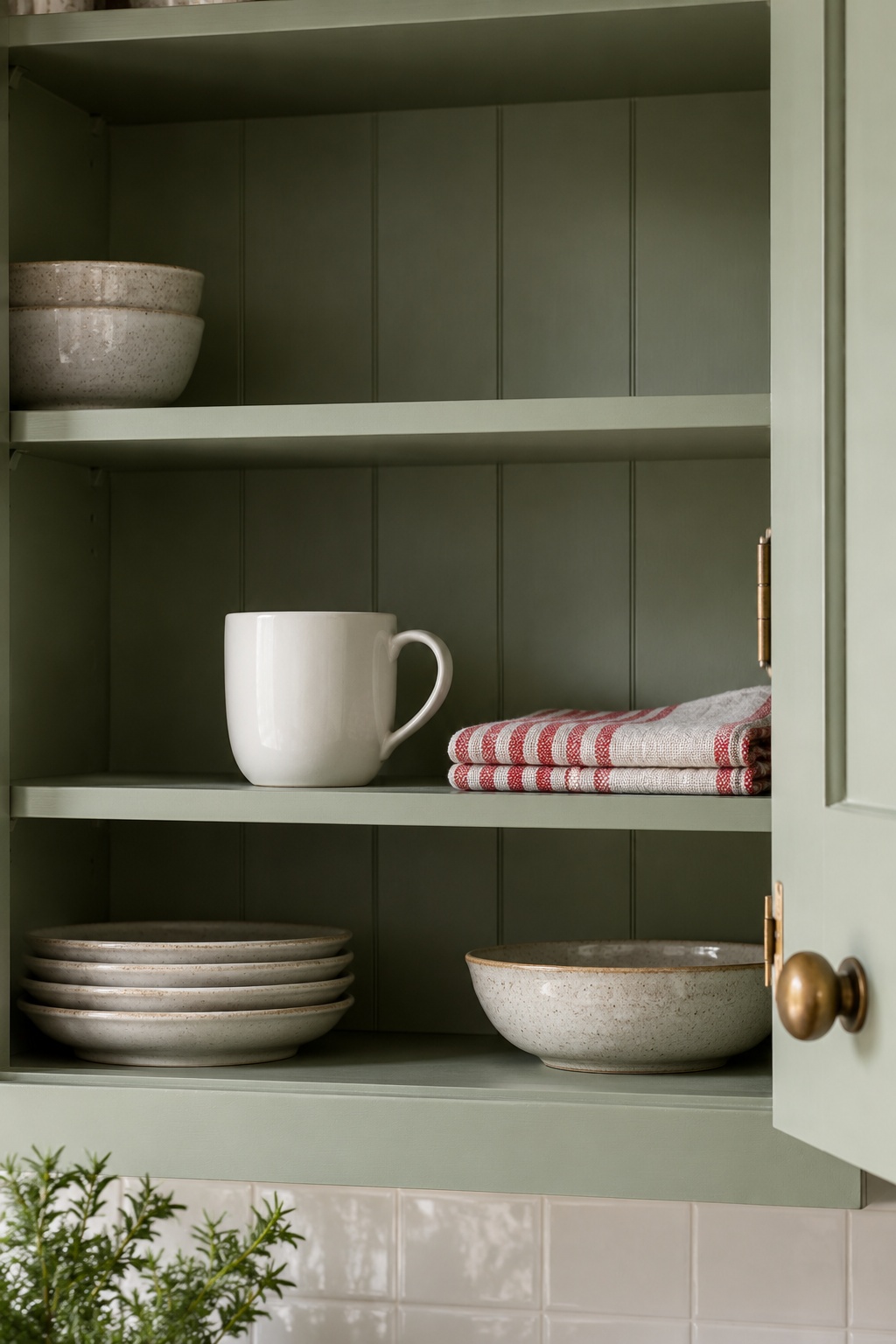
Let personal taste remain personal
Colour and texture can make a useful present feel wonderfully particular. They can also reveal that the giver has been shopping for herself. The recipient's fondness for vivid blue is more relevant than this season's preference for muted green.
Look for a detail you have actually noticed, rather than a personality you have assigned. A repeatedly used colour, a favourite subject or an expressed dislike gives you something firmer than an aesthetic category. “Minimalist” and “maximalist” are broad descriptions for a decision that may turn on one handle or one shade of red.
Scent, food, wearables and objects that touch the body need extra familiarity with someone's preferences and requirements. When that knowledge is missing, choose another route or ask. The purpose of a small present is pleasure, not a test of how politely someone can receive it.
A gift receipt can be part of that generosity. Check the actual seller's return conditions before buying, especially for personalized or seasonal goods. Do not assume a Christmas exception, a delivery date or an exchange window from what happened last year.
The no-purchase version deserves consideration
Sometimes the thing worth giving is already available: a book you are happy to pass on, a recipe written clearly enough to cook from, a small print you know someone would enjoy. Ask first when ownership, condition or the nature of the exchange might be ambiguous. A present should arrive without an invisible obligation to return it.
There is nothing inherently more thoughtful about buying new, and nothing inherently more virtuous about giving something used. The match does the work. An unsuitable object remains unsuitable however beautifully its origin story is told.
For a used book, our guide to choosing a secondhand copy explains how edition, condition and a removable note can make the choice more specific. For a kitchen-focused present, the host-gift edit offers a different starting point. Use either only if it serves the person in front of you.
The final check is pleasantly ordinary. Picture the present unwrapped, the ribbon discarded and the person alone with it on a Tuesday. What happens next? If the answer is a small, welcome act of use, the gift has somewhere to go.