Culture ·
A Secondhand Book Can Be a Thoughtful Present
Choose the reading, establish the edition and inspect the actual copy before making its next chapter a gift.
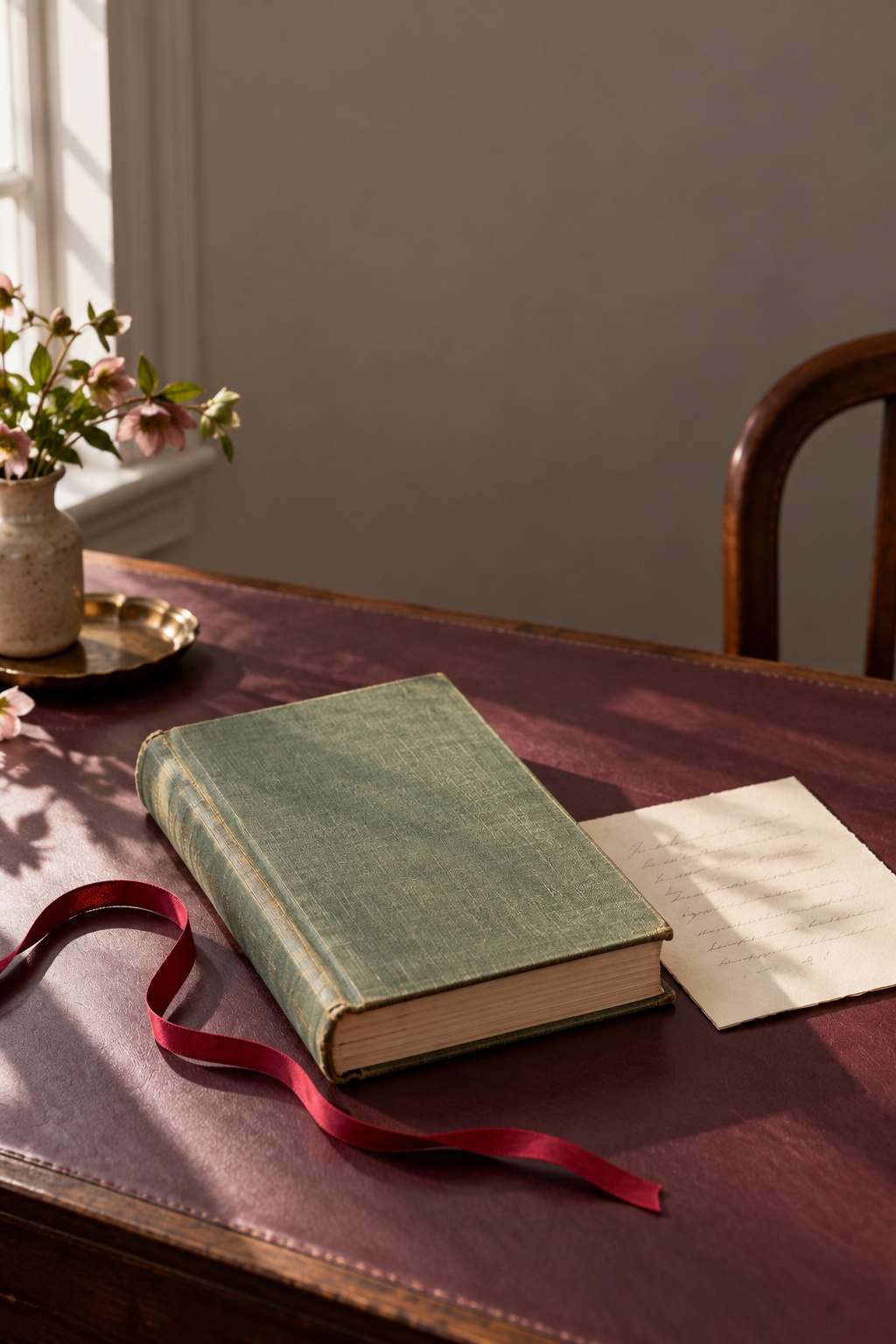
A used book can feel unusually personal before you have written a word inside it. Someone has chosen this particular copy, with its particular cover, paper and signs of use, and thought of the person who might want to open it next. That is a promising beginning. It is also a reason to look beyond the pleasing photograph of its spine.
The thoughtful secondhand book is a readable, appropriate copy of something the recipient wants to encounter. Its age may add interest; its condition still has to support its purpose. A beautiful jacket cannot replace missing illustrations, and a rare edition is not automatically the edition someone will enjoy reading.
Our criterion is the next reader. Choose the subject first, establish which edition delivers it, and then judge the actual copy. This guide offers a way to inspect and give a book. It does not recommend live listings, certify signatures or promise that a particular used copy remains available.
Choose the reading before the object
Begin with the conversation the book might continue. Someone interested in how clothes are made may want detailed illustrations and clear explanations; someone following a designer may prefer an exhibition catalogue to a general fashion survey. The cover should be allowed to attract you, but it should not make the whole argument.
Look at the contents, an available preview and the level of assumed knowledge. Ask whether the text is useful without another book beside it, whether the pictures are central to the subject and whether the recipient enjoys reading in that format. A large illustrated volume offers a different kind of encounter from a paperback that can travel in a bag.
There is no need to pretend that a gift must be revelatory. A copy of a book someone has borrowed repeatedly may be exactly right. Equally, if you are unsure whether the subject interests them, a visit to a bookshop together may be more generous than making a confident guess.
Find out which edition you are buying
The title is the beginning of identification. Ask for a view of the title and copyright pages when an edition matters to the choice. Compare publisher, publication date, language, translator where relevant and any indication of revision. An ISBN can help narrow the search, but read the listing as a whole rather than treating one number as a substitute for the copy's description.
A later edition may be the more useful present if it contains the material your reader needs. An earlier one may be attractive because of its design or illustrations. Make that tradeoff deliberately. Do not pay for a claimed first edition unless the claim matters to you and you have appropriate evidence for it.
For illustrated books, check whether the pictures you expect are included and legible. A listing that names the title but says little about the contents may need a question before it becomes a gift purchase. The edition you remember seeing elsewhere may have a different format.
Treat the condition grade as a starting point
Words such as “good” and “very good” sound reassuringly familiar, but their everyday meaning is not enough to choose a copy. AbeBooks' condition guide explains its grading vocabulary and notes that practices vary. Read the seller's detailed description alongside the grade, especially the separate condition of binding, pages and jacket.
Ask for photographs of the actual copy when the listing uses a stock cover. Useful views include the spine, corners, page edges and a representative opening. Ask specifically about missing pages, detached parts, annotations, odour or evidence of water damage if the description leaves these unclear. Photographs can answer some questions; they cannot establish everything you would learn by handling a book.
The distinction is between an acceptable sign of use and a problem your recipient will inherit. A pencilled name may be unimportant to one reader. Loose pages may interrupt the very use that makes the present worthwhile. Do not make the recipient responsible for sharing your tolerance.
In a shop, ask before opening anything fragile. The Canadian Conservation Institute's guidance on book care recommends respecting the binding's limits when handling it. Support the volume and avoid forcing it flat. If it appears to need repair, consider another copy rather than treating repair as an easy finishing step.
Read the inscription as part of the choice
An old dedication can be moving, distracting or simply irrelevant. Its presence does not settle the question of whether the book makes a good gift. Think about the reader and the nature of the occasion.
A friend who enjoys traces of earlier readers may welcome a name or date. Someone seeking a clean reference copy may prefer clear pages. An intimate inscription from an unknown relationship can make a present feel unexpectedly crowded. You do not need to turn that feeling into a universal rule to take it seriously.
Be equally careful about signatures and provenance. A seller's claim needs evidence appropriate to what is being sold. This article is not an authentication service, and a resemblance to a signature found online is a poor reason to buy at a premium. If the uncertain claim is what makes the copy attractive, choose a better-documented copy or let it go.
Give the recipient an easy way to use it
Before ordering, read that seller's current returns, delivery and condition policies. Leave time to examine the arrival yourself when possible. A parcel sent straight to someone else removes your chance to notice that the copy differs from the description. Avoid promising a holiday arrival unless the seller has actually confirmed it for the order.
When the book arrives, check it against the listing before wrapping. Retain the order details and any relevant photographs until you know there is no issue. This is practical care for the gift, rather than an attempt to erase its history.
A loose note is our preferred way to make it personal. Say what made you choose the book, point to a chapter if you know it, or name the question you hope it will help explore. A removable note lets the recipient decide how the book's next chapter should look. You can write inside it when you know that would be welcome; it is not a test of sincerity.
Simple wrapping is enough. Keep adhesive away from the book itself and avoid tying anything so tightly that the object has to be wrestled free. Let the present arrive ready to open, rather than dressed as something too precious to read.
The nicest used-book gift gives both permission and possibility: read it, mark your place, return to it, pass it on when appropriate. Its earlier life can add texture. The reason to give it is the life it can have next.