The Fashion Library · Criticism and theory
How to judge criticism and theory
The details that matter when fit and proportion is the deciding factor—and the products that make those distinctions visible.
See the selections ↓
The criterion
Choose by fit and proportion.
The decisive question for criticism and theory is scale: how the dimensions relate to a body, a room, a shelf, or the task at hand. A beautiful option can still be wrong when its proportions work against daily use.
What to look for
- Measurements considered in the place or situation where the object will actually live.
- Enough visual and physical room for the object to do its job without dominating.
- Proportions that remain convincing from more than one angle.
Questions worth asking
- Which measurement changes the experience most?
- What needs to fit inside, beside, beneath, or around it?
- Will the scale still feel right after the novelty wears off?
5 considered choices
The considered list
Each selection has a clear role. Use “Best for” to find your match, then confirm the practical details that matter to you at the maker or retailer.
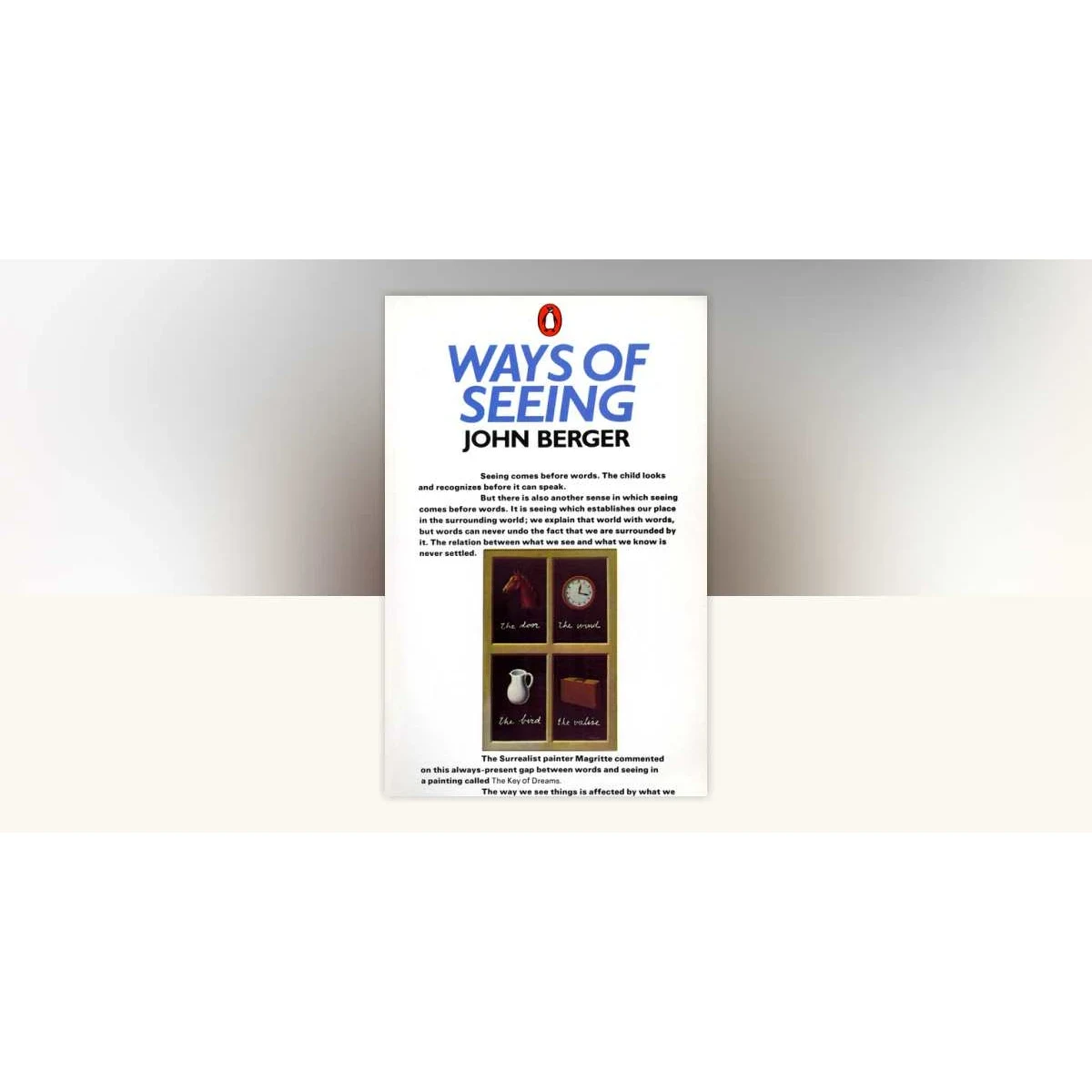
John Berger · Penguin
Ways of Seeing
- Best for
- The reader who wants to understand how images produce authority, desire and value.
- Why this one
- Berger gives a compact critical vocabulary that changes how advertising, oil painting and reproduction are seen long after the book is closed.
- Check before buying
- It is an argument, not a glossy picture book; buy it for a reader who enjoys being challenged.
Christian Dior · Abrams
The Little Dictionary of Fashion
- Best for
- The reader interested in how mid-century fashion authority sounded on the page.
- Why this one
- The value is historical as much as practical: its instructions reveal the social assumptions behind elegance.
- Check before buying
- Treat dated advice as a primary source, not a universal rulebook; contextualize it for younger recipients.
Roland Barthes · University of California Press
The Fashion System
- Best for
- The serious reader interested in how fashion writing manufactures meaning.
- Why this one
- Barthes studies the language around clothes rather than clothes alone—a demanding but foundational distinction.
- Check before buying
- The prose is theoretical and slow. This is for an academic reader, not someone asking for a visual survey.
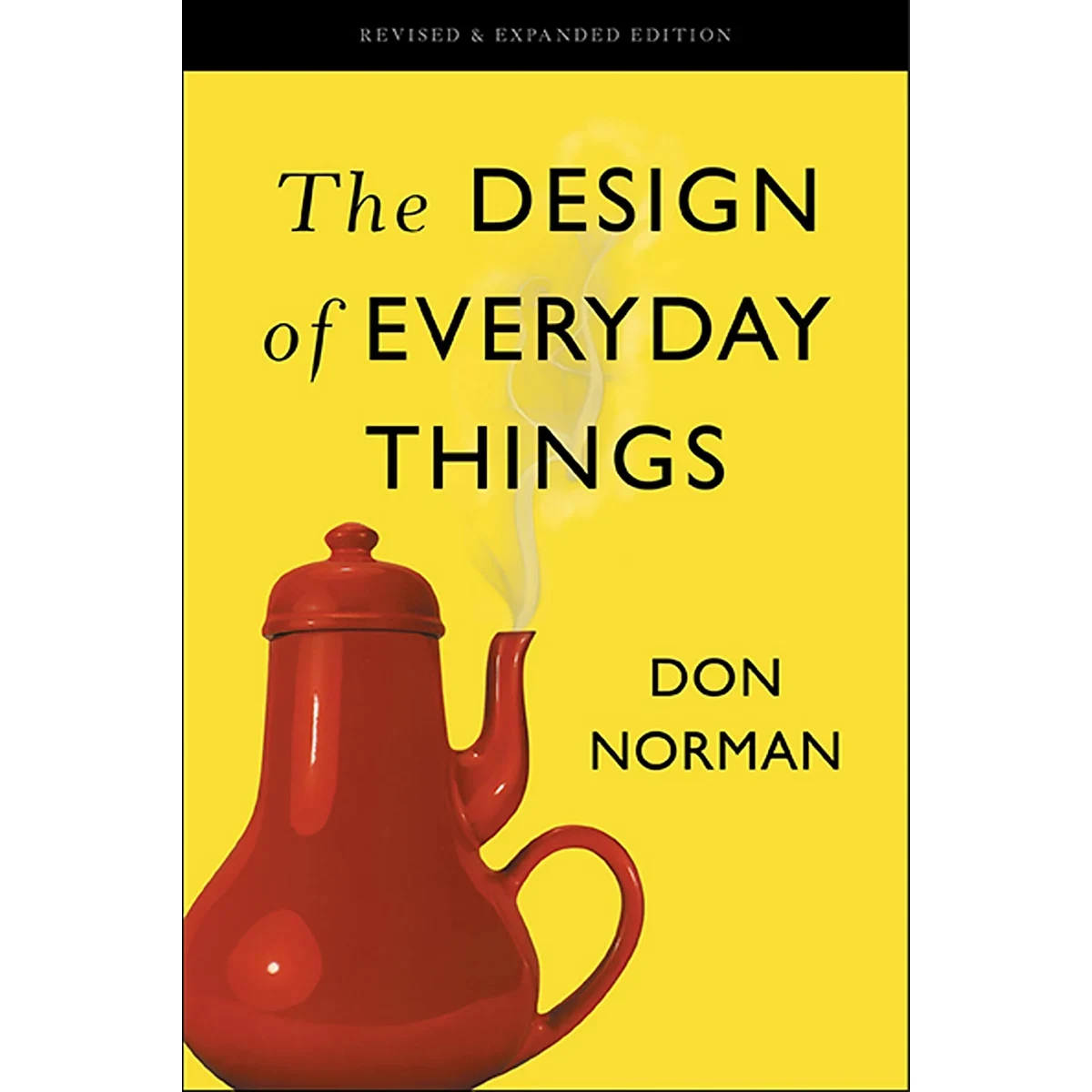
Don Norman · Basic Books
The Design of Everyday Things
- Best for
- The person who notices when an object is confusing but wants language for why.
- Why this one
- Norman turns doors, switches and interfaces into lessons about feedback, affordance and human error.
- Check before buying
- It is product-design thinking, not an interiors book; choose it for curiosity about use rather than styling.
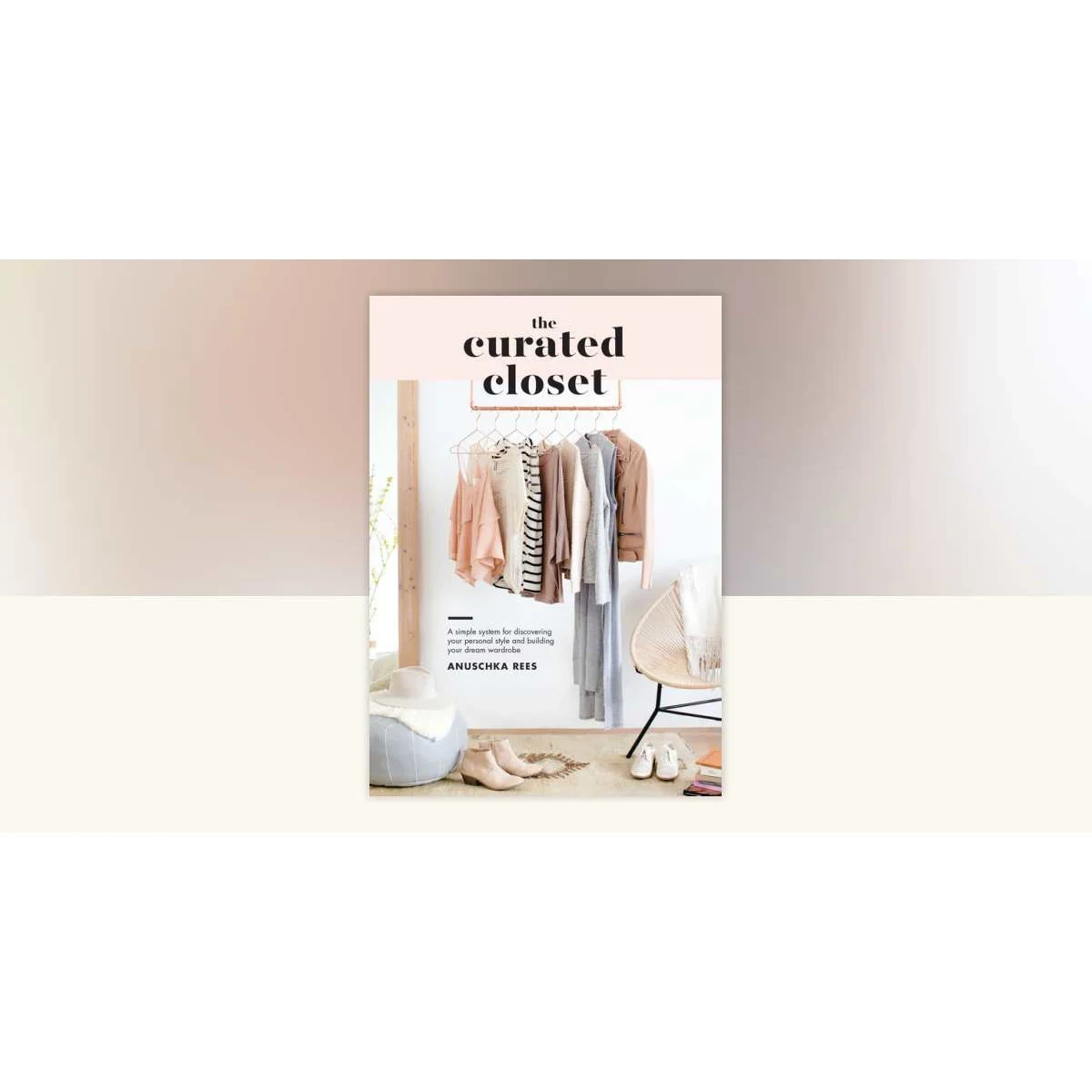
Anuschka Rees · Ten Speed Press
The Curated Closet
- Best for
- Someone who needs a process before another purchase.
- Why this one
- A practical method for aligning wardrobe contents with actual taste and life.
- Check before buying
- Its workbook approach asks for time and participation.