Art at Home · Prints and editions
Prints and editions, compared: what condition and longevity changes
4 credible choices, compared by condition and longevity so you can see the real tradeoffs.
See the selections ↓
The criterion
Choose by condition and longevity.
For prints and editions, condition is evidence. Wear can reveal quality, use, and repair history, but it can also point to structural problems. The distinction matters more than a flawless surface.
What to look for
- Wear that is honestly shown and consistent with the object’s age and material.
- Structural soundness in the parts that carry weight, move, fasten, or receive handling.
- A repair path that is practical, visible, and worth the cost.
Questions worth asking
- Is this wear cosmetic, structural, or evidence of a useful repair?
- Which part is most difficult or expensive to restore?
- Will the object still perform its intended role after purchase?
4 considered choices
The considered list
Each selection has a clear role. Use “Best for” to find your match, then confirm the practical details that matter to you at the maker or retailer.
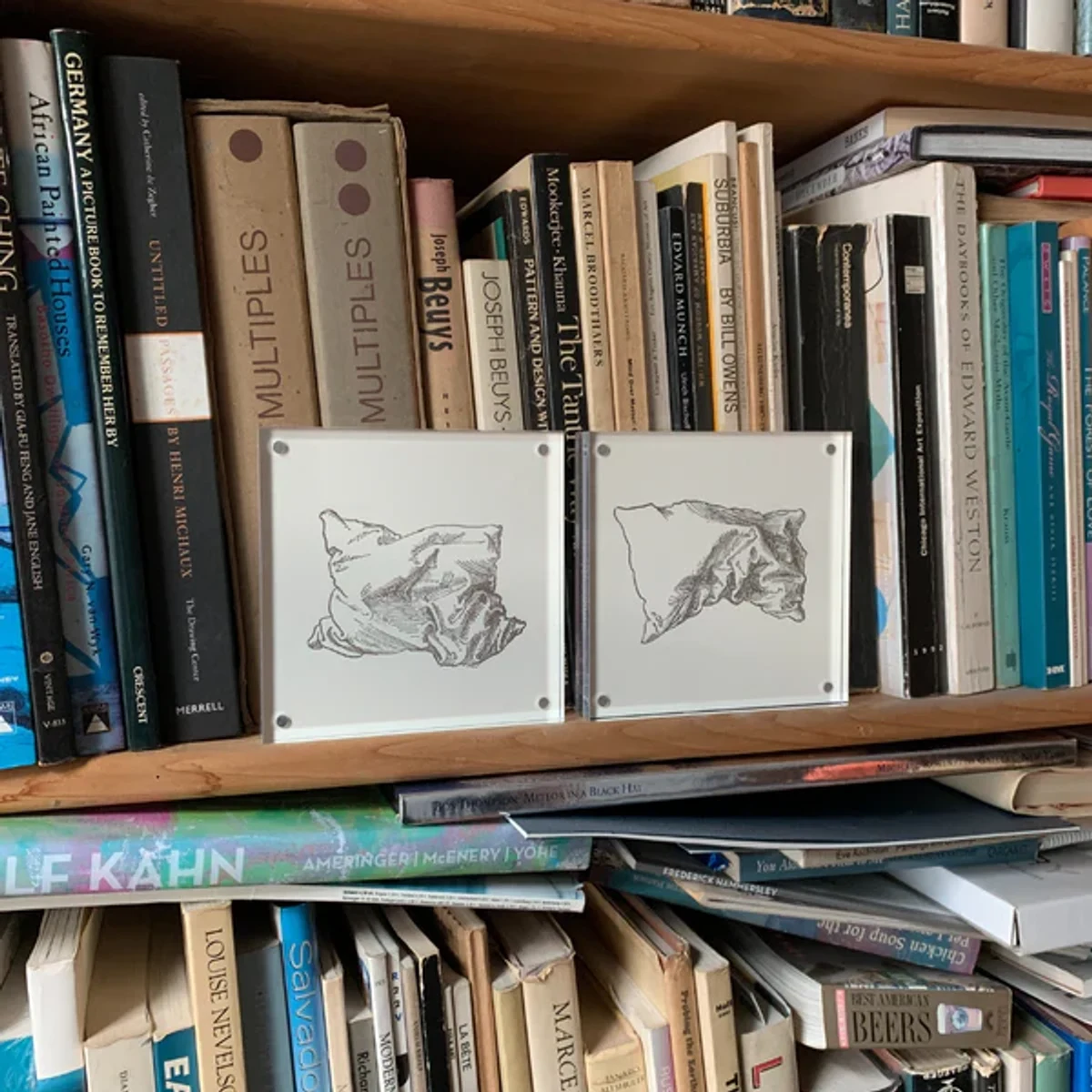
Albrecht Dürer · 20×200
Single Pillow Studies, Letterpress
- Best for
- The art lover who notices domestic subjects and the intelligence of drawing.
- Why this one
- A study of folded fabric makes looking itself the subject and brings art history into a room without grandiosity.
- Check before buying
- It arrives unframed; price the frame and confirm dimensions before presenting it as a complete gift.
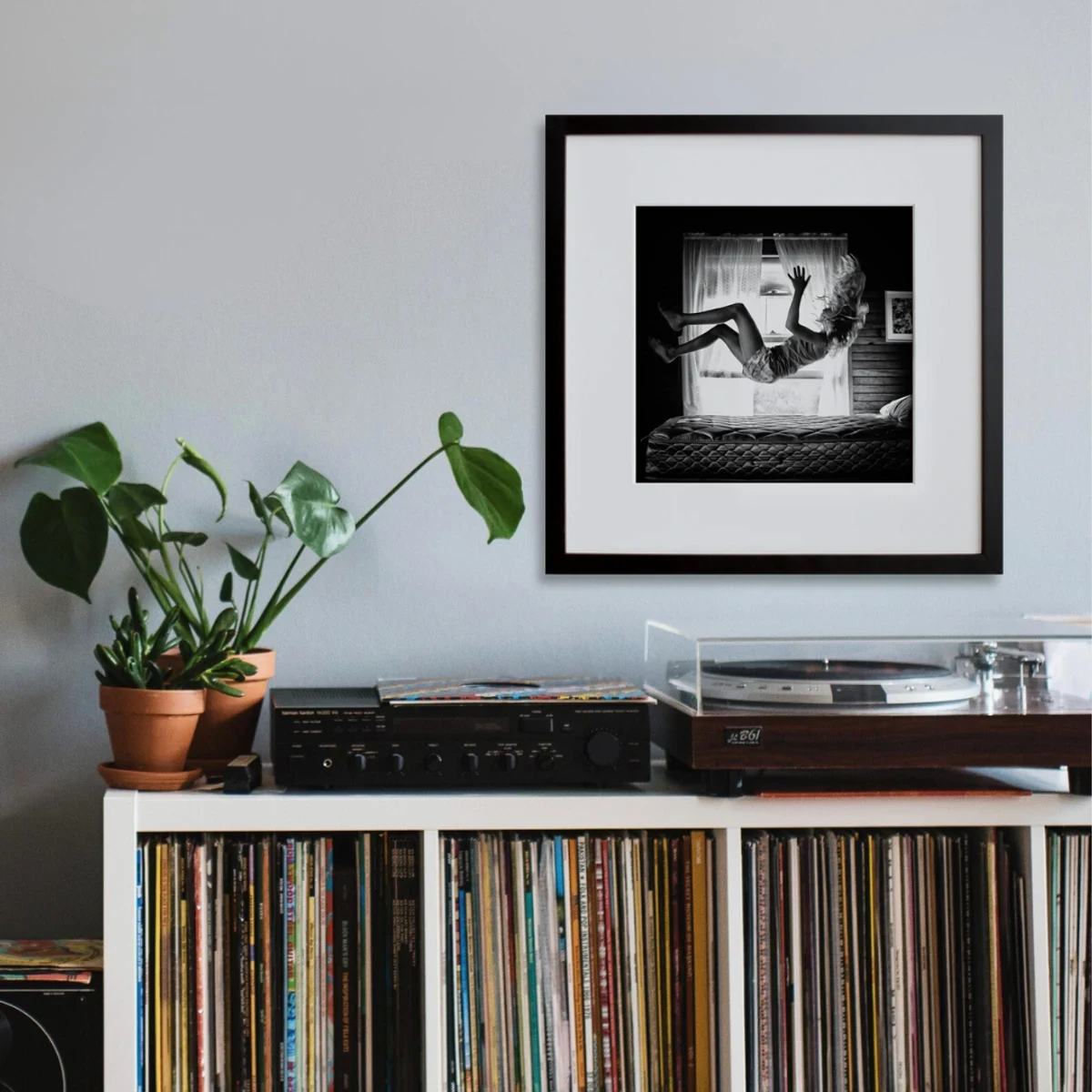
William Wegman · 20×200
Lolie Jumping on the Bed, 2013
- Best for
- The collector who likes wit and recognizable life in a photograph.
- Why this one
- The image is playful without becoming novelty décor; its domestic setting makes it easy to live with.
- Check before buying
- Edition, signature status and framing vary by size. Confirm the exact option and final dimensions.
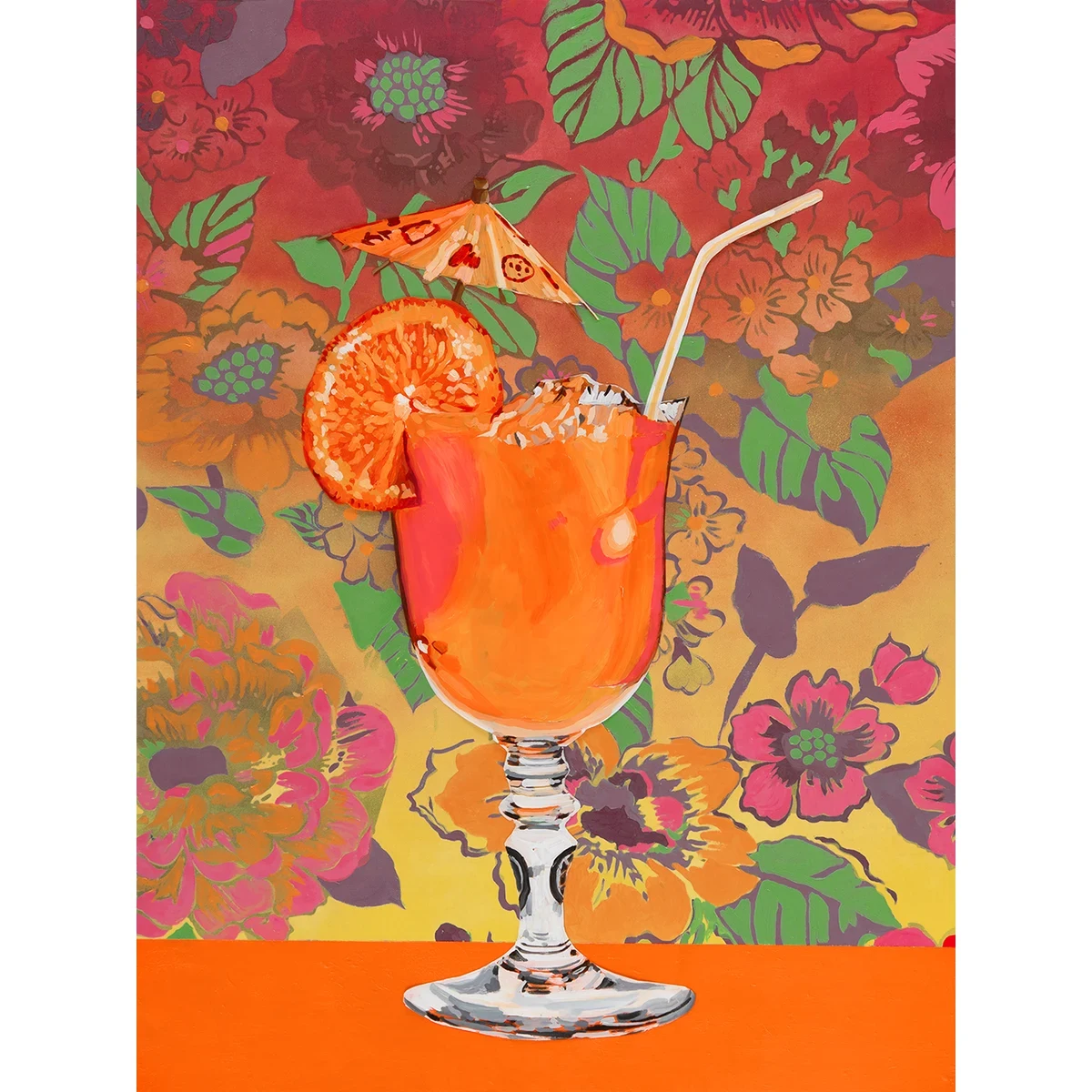
Lou Haney · 20×200
Rum Punch
- Best for
- The person whose room can carry saturated color and humor.
- Why this one
- The still life behaves like a color event rather than generic wall filler, giving a small print enough chromatic force to hold its own in an already considered room.
- Check before buying
- Color is assertive and framing adds cost; view dimensions against the intended wall.
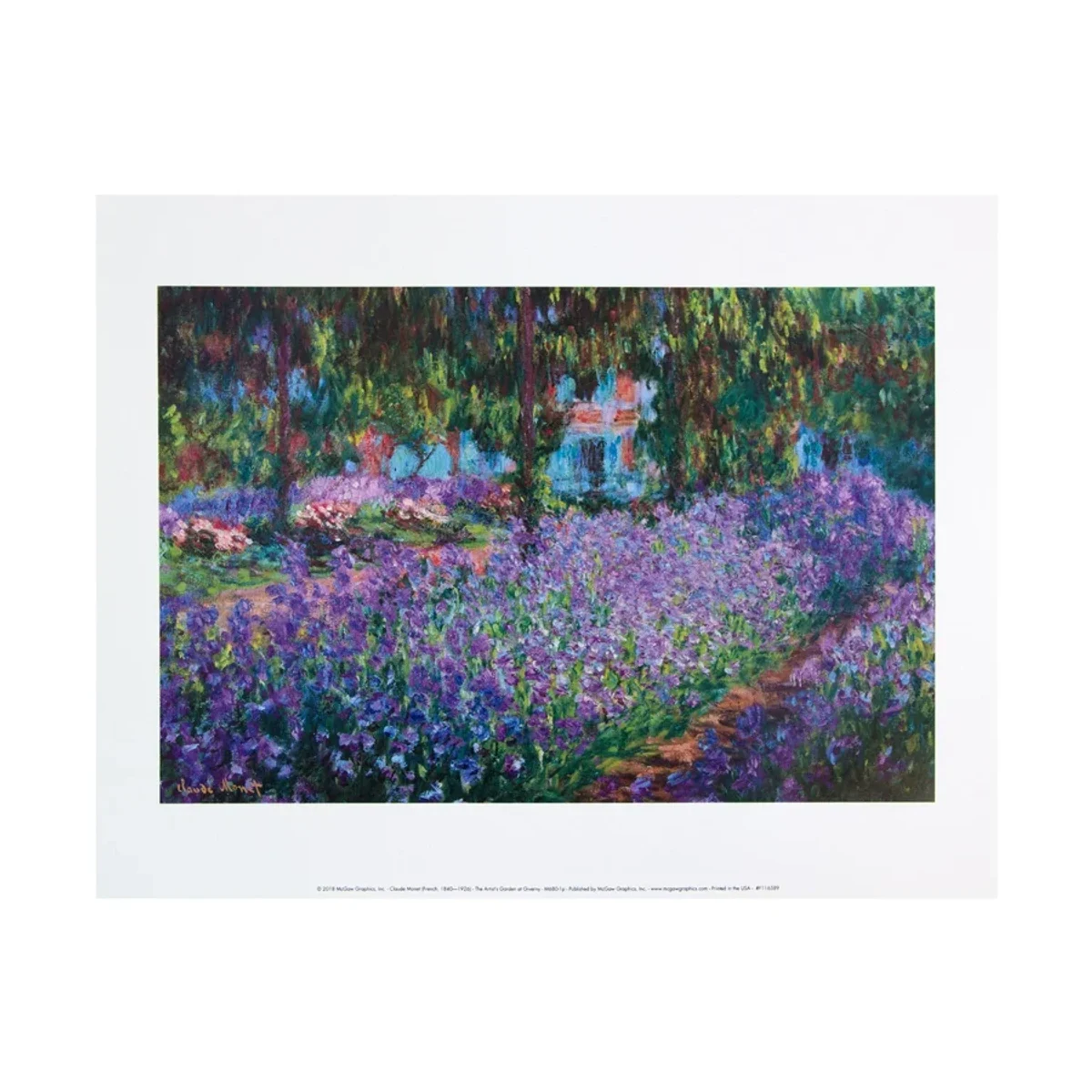
Claude Monet · National Gallery of Art Shop
Claude Monet: The Artist’s Garden at Giverny, 11 × 14 Print
- Best for
- A reader choosing art by image, scale and room—not filler.
- Why this one
- A museum-shop edition gives the work, scale and framing decision a traceable institutional source.
- Check before buying
- Confirm current stock, print dimensions, paper and framing terms before purchase.