Capital ·
Good taste, in stock
Independent shops can turn online attention into something worth trying on. Their most valuable skill may be knowing which trends to leave outside.
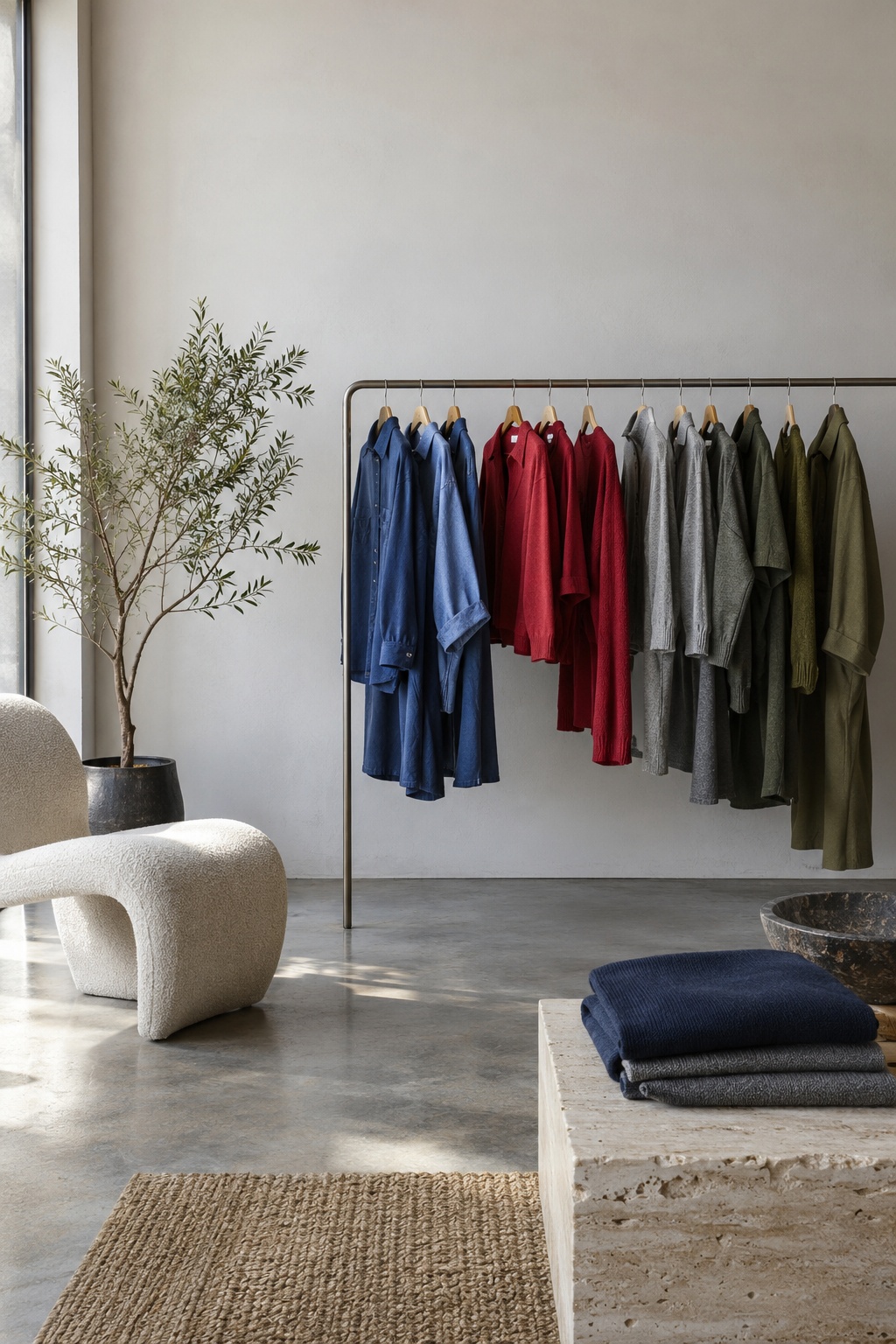
A feed can show you a thousand things. A good shop has to choose. Someone decides which version deserves a rail, which colours belong together and whether the interesting piece will make sense beside the clothes its customers already wear. The result may look like a pleasant room full of objects. Underneath it sits a series of judgments, each with money attached.
That makes the independent boutique an interesting place to watch fashion now. When a look gathers attention online, the shopkeeper has a different problem from the person saving it. She has to decide whether anyone nearby will buy it, whether it will arrive in time and what she will do with the pieces that remain. Cultural enthusiasm becomes a physical commitment.
The appealing story is that small shops can respond faster than large organizations. Sometimes they can. But speed alone is an incomplete definition of their value. The more interesting possibility is that a retailer can recognize an online idea, translate it for a particular place and decide how much of it belongs there.
A buying signal is not the final sale
In its September 2026 Independent Retail Pulse, wholesale marketplace Faire reported that mock-neck sweatshirts’ share of US apparel orders rose from 0.12% to 1.38%, alongside a customization trend. Its methodology uses confirmed wholesale orders and retailer searches. These figures describe activity on Faire, not purchases by the customers who eventually walk into those shops.
That distinction matters. An order tells us that a retailer has made a bet. It does not tell us whether every item sold at full price, whether it brought in a new customer or whether the buyer would make the same decision again. The journey from attention to a successful business outcome contains several steps. Reporting the first as though it proves the last makes retail seem easier than it is.
The sensible response is curiosity rather than dismissal. Which stores reordered? How much remained? Did the object sell because customers recognized a viral reference, or because it answered a familiar need? Those questions would help distinguish a useful discovery system from a beautifully illustrated inventory problem. The available wholesale signal cannot answer them on its own.
The neighbourhood still edits
Faire also compared apparel brands across 100 US cities in its marketplace data. A typical city shared around two of its ten leading brands with the national top ten. And the report traced lobster-motif apparel from Northeastern brands into orders placed outside the region. These findings offer examples of local difference and movement, within one platform’s view of the market.
A local motif has a particular kind of life. Close to its origin, it might function as recognition: a place, a shared joke, a familiar landscape. Elsewhere, it can become an appealing image without carrying all of that context. A retailer participates in the change by deciding how to present it. The story told on a tag or across a counter can preserve a connection or let it fade into decoration.
Neither outcome follows automatically from wider availability. A product can travel and retain a meaningful connection to its source. It can also remain geographically close while being sold as little more than a novelty. The useful question is what the seller knows and chooses to communicate. Locality becomes more convincing when it supplies information rather than merely a reassuring mood.
For the customer, this is one of the pleasures a good shop can offer. Someone can explain why the object is there. That explanation may be brief and practical: the maker’s proportions work especially well, the colour has a useful place in the assortment, or the piece answers a request heard repeatedly. Taste becomes legible through a decision you can discuss.
A smaller order is still an order
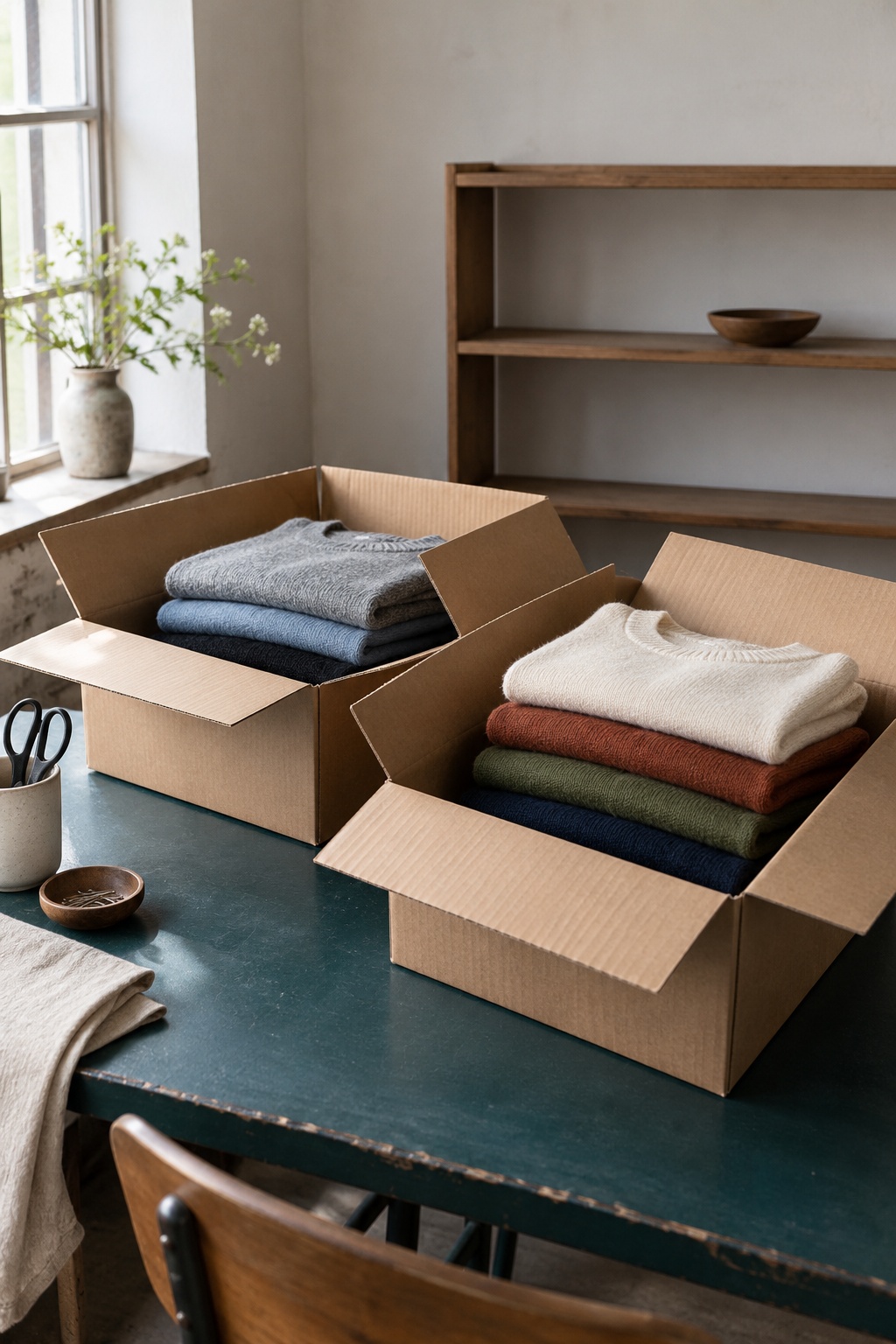
The mechanics of buying shape how much experimentation a retailer can afford. Faire’s current return guidance offers free returns on eligible first orders with a brand, typically within 60 days, with the actual window shown in the retailer’s account. Additional orders with that brand do not receive the same free-return eligibility, even when they contain different products. The distinction matters when an initial trial becomes a repeat commitment.
It is tempting to describe that kind of arrangement as removing risk. More precisely, it changes the conditions of a particular experiment. The retailer still spends time selecting, receiving and presenting the stock. Shelf space remains finite. A successful first order also does not guarantee that the next one will meet the same appetite. By the time the replenishment arrives, the conversation may have moved.
That is not an argument against responsiveness. It is a reason to define it carefully. Responding well involves knowing when to expand a choice, when to wait and when the original test has answered the question sufficiently. Ordering more frequently is a behaviour. Making better decisions is an outcome. They should not be treated as synonyms.
The courage to leave something out
Imagine two small shops seeing the same widely shared look. One orders the closest available version. The other asks which element attracted its customers in the first place. Was it the colour, the ease, the sense of occasion, the possibility of wearing something familiar differently? That second conversation can produce a very different assortment without requiring the retailer to ignore the trend.
Perhaps the answer is an existing piece, styled another way. Perhaps the most relevant version comes from a maker whose name never appeared in the original post. Perhaps no purchase is necessary. These are hypothetical choices, but they show why the shop’s work is more than moving a picture onto a hanger. Interpretation can change what becomes available.
Leaving things out helps establish that interpretation over time. If every passing idea enters the shop, its identity can become difficult to distinguish from the feed. If nothing unfamiliar is allowed in, the edit can become rigid. The interest lies between those extremes: enough continuity for a customer to understand the point of view, and enough curiosity for a visit to remain worthwhile.
A retailer does not need to predict the entire culture to achieve that balance. It needs to understand the relationship between its choices and the people it serves. That understanding can include online attention, but it also comes from trying things, listening to objections and noticing what earns a second visit. Some of the most useful information will never become a viral image.
What deserves the space?
For the shopper, a small store is worth judging by the quality of its selection, not by smallness alone. Does the assortment help you see something differently? Can someone explain a choice without relying entirely on a famous name? Are the pieces useful beyond the moment that made them recognizable? A distinctive shop can make browsing feel less like catching up and more like discovering a position of your own.
The best argument for independent retail is therefore more demanding than being quick. It is the ability to turn broad attention into a considered local offer, while accepting that not every interesting signal deserves an order. The feed keeps moving. The shop has to decide what is worth giving space.