Capital ·
What Prada Actually Bought When It Bought Versace
An acquisition transfers more than a famous name. It transfers the responsibility to fund losses, change distribution, share infrastructure and protect the difference that made the house valuable.
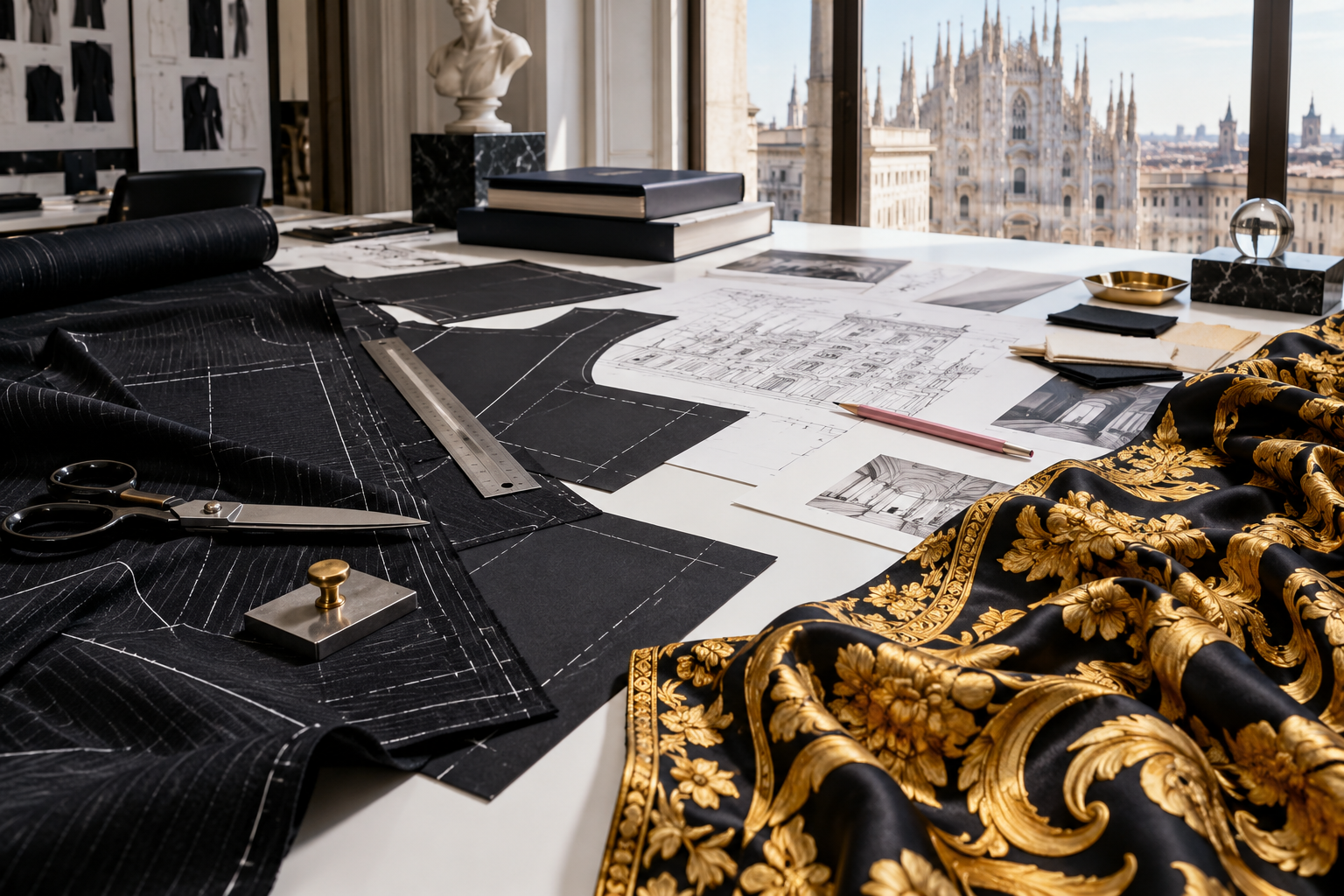
When one fashion group acquires another house, the easiest story to tell is aesthetic. Two names sit beside each other; two archives enter one portfolio; a new creative director arrives and the industry waits for the first collection.
The financial documents tell a more revealing story. An acquisition is not only a purchase of recognizable codes. It is a decision about distribution, manufacturing, data, stores, people, contracts, losses and the amount of patience an owner is willing to fund.
Prada Group completed its acquisition of Versace on December 2, 2025. The closing announcement gave a cash purchase price of $1.395 billion, subject to final adjustment. The group's 2025 annual report recorded provisional goodwill of about €1.002 billion. Those numbers begin to answer what changed hands, but they do not explain what the new owner now has to do.
A name is not the whole asset
Versace arrived with extraordinary recognition. Recognition matters because it reduces the cost of explaining why a house should be noticed. It does not guarantee that attention becomes full-price demand.
Prada's own 2026 results presentation was unusually clear about the distinction. It identified channel repositioning, stronger full-price sales and distribution, retail routines, network optimization, digital integration and gradual rationalization of off-price activity as priorities. That is the operational language beneath the cultural headline.
The acquisition therefore contains two kinds of value. One is symbolic: archive, authorship, visual codes, celebrity memory and immediate global awareness. The other is infrastructural: what the Prada Group can provide through industrial capabilities, retail execution, technology, routines and capital. The investment case depends on the second strengthening the first without flattening it.
Goodwill is a bet on what cannot be separated neatly
In accounting, goodwill appears when a purchase price exceeds the identifiable net assets acquired. It can reflect expected synergies, brand strength, talent, future growth and other benefits that cannot be booked as simple stand-alone assets.
Prada's annual report described the Versace goodwill figure as provisional while purchase-price allocation continued. That is an important word. The acquisition closed; the final accounting interpretation of what was bought was still being completed.
For a reader of fashion, goodwill offers a useful way to think about a house. Much of its value is relational. A Medusa-like atmosphere, a runway memory, a recognizable approach to print or glamour, the confidence of a client entering a store—these cannot be separated from one another as cleanly as inventory or fixtures. The buyer pays for the possibility that these relationships will generate future cash flows.
The danger is equally relational. If the new system removes too much of what made the house distinctive, the asset can become more efficient while becoming less desired.
Full price is a cultural and financial project
Prada reported Versace net revenue of €684 million for 2025 and said the brand incurred operating losses that year. It expected losses of a not-dissimilar magnitude in 2026, alongside some top-line contraction during the creative transition and early repositioning.
That disclosure resists the fantasy of an instant turnaround. Reducing off-price exposure can improve how a brand is perceived and protect future pricing power, but it may also remove near-term sales. Closing or changing stores can strengthen a network and still create immediate costs. A new collection may attract enormous attention before it changes the economics of the house.
Full-price discipline is therefore not only a merchandising rule. It is an attempt to change the relationship between availability and desire. If customers learn that an object will quickly reach an outlet or markdown, the original price loses authority. Rebuilding that authority requires time, controlled distribution and products people are willing to wait for.
Shared infrastructure should remain backstage
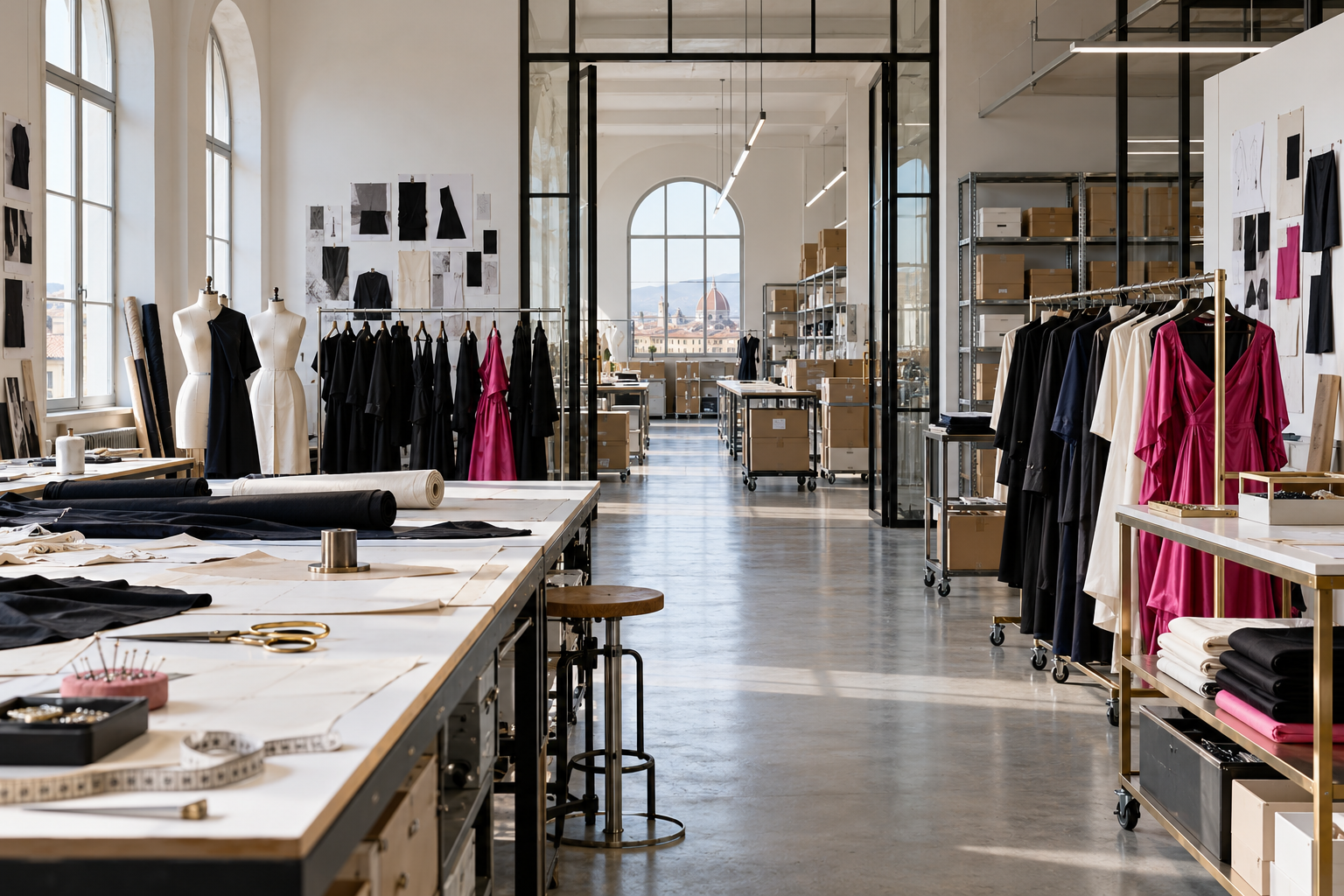
Prada's case for the acquisition emphasizes a consolidated platform: manufacturing relationships, industrial knowledge, retail practices, digital systems and operational expertise. Shared infrastructure can remove duplicated work and give a smaller or struggling brand access to capabilities it could not build as efficiently alone.
The most successful version of that arrangement is visible in quality and consistency but not in sameness. Finance, logistics, technology and real estate may converge while the customer still experiences distinct houses.
That boundary is hard to maintain. Centralized buying targets can push different brands toward similar commercial categories. Shared data can reward the same shapes and price points. Group-level margin expectations can shorten the patience required for a creative proposition to mature. The operational system is never neutral; it decides what kinds of difference are affordable.
Prada has said the process requires care and patience. Its 2026 update paired the appointment of Pieter Mulier as chief creative officer with governance changes, cost action and integration across functions. The creative reset and the capital plan are not separate stories. Each sets the conditions under which the other can succeed.
Ownership changes the horizon
The most meaningful effect of new ownership may be temporal. A former owner may need immediate improvement, a sale or a cleaner portfolio. A new owner may be able to tolerate contraction while changing distribution, investing in stores and waiting for a creative vocabulary to settle.
But patience is not simply a personality trait. It is a funded position. It depends on the strength of the wider group, access to cash, the confidence of investors and a belief that future brand value will justify present losses.
What Prada bought was not a finished Versace waiting to be placed on a shelf. It bought the right—and the obligation—to decide which parts of the house are untouchable, which systems need to change, how much short-term revenue to surrender, and how long distinctiveness can be given to become productive again.
The first collection will make that project visible. The distribution plan, store network and annual report will show whether it holds.