Culture ·
A room gets better when its objects have a job.
Six pieces for tea, flowers and the things that land on a table make a case for starting with the routines you already have.
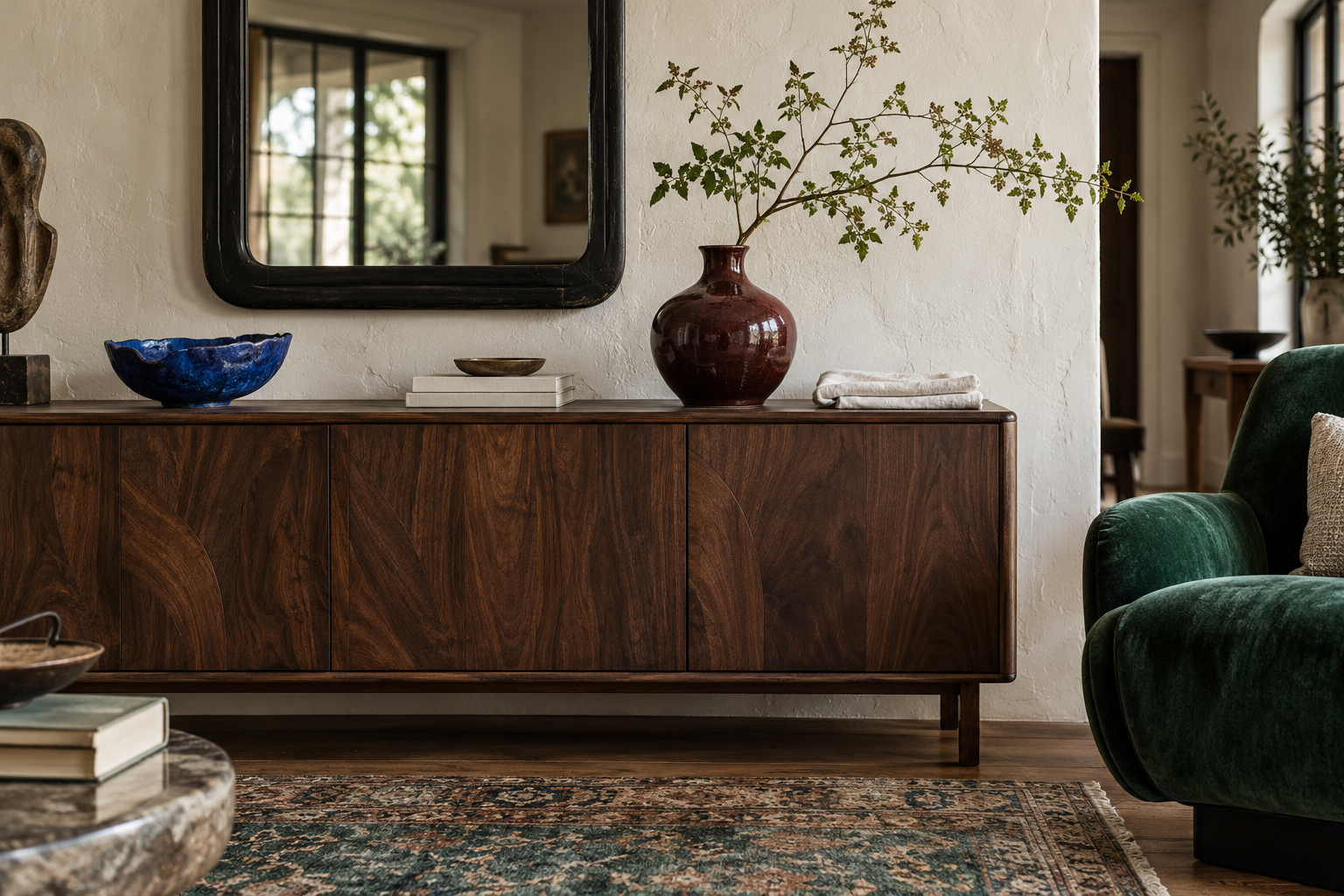
A room often finds its character in the objects that move through the day, from the cup beside a book to the towel hanging near the sink. Those small decisions can be more revealing than a coordinated set of accessories, because each one has to meet a particular habit. The useful question is where an object will go when the photograph is over and somebody needs the table.
This selection starts with those ordinary situations and gives each a little more attention, using product details from Smallable and the makers themselves. Porcelain, glass, resin and a linen-cotton blend do different work here; the two vases offer alternative expressions for a small surface. The suggestions are based on published specifications, with no claim of testing the pieces in a home, and there is no need to buy the group as a set.
Let a cup establish the scale of a pause.
Kinto's white Pebble cup and saucer is a useful first consideration for someone who wants a tea setting to occupy a modest amount of space. Smallable lists the white porcelain pair, while Kinto specifies a 180 ml cup and an 11 cm saucer. That capacity deserves attention before the shape: a person accustomed to a large morning mug will be choosing a different kind of serving.
The saucer gives the cup a defined place on a table and makes the pair a useful option beside a book or a small plate. White also leaves room for the color of a textile, flowers or whatever crockery is already in the cupboard. Choose it because that scale suits the way you drink, and check where the two pieces will live when they are washed and put away.
Choose a teapot for the amount you actually pour.
Kinto's small Unitea glass teapot belongs in a routine where making a pot has a purpose, whether that means sharing tea or returning for another cup. Smallable's specifications for the Small version give a capacity of 460 ml and identify glass, stainless steel and silicone. The listing also offers a larger size, so the capacity on the selected option matters more than the photograph's apparent proportions.
The clear vessel would allow the color of the tea to take a place in the setting, which is part of the appeal of choosing glass. That visual pleasure should coexist with a storage plan for the pot and its parts, especially in a cupboard already occupied by single-purpose equipment. Smallable says this configuration should not be microwaved; check the current care guidance and the specific version before ordering.
Give a few stems a vase of their own.
Annebet Philips's small Carte Blanche vase for Serax offers a restrained way to introduce an irregular outline on a shelf or a compact table. Smallable describes a porcelain vase whose design refers to cut and folded cardboard, with the Small version measuring 12 cm high and 6.3 cm wide. Those dimensions place it in the territory of a few stems, and they are worth setting against the flowers you usually bring home.
The white surface would let the outline do much of the visual work, particularly against a wall or tabletop with some color of its own. Give it enough surrounding space for that outline to remain legible, and consider whether it needs company at all. Smallable notes variation in the handmade elements, so an individual piece may differ from the image that first caught your attention.
Use a tray to name a place for small things.
Ferm Living's grey Mist tray offers a bounded surface for the objects that tend to migrate across a table without acquiring a permanent home. Smallable identifies the Small size as 20 by 20 cm, with a height of 2.5 cm and a resin composition. The retailer's title uses marble wording, but the material specification makes the distinction clear: the marbled appearance comes with a resin object.
Keys, jewelry or another modest group of everyday items would give the tray a purpose that is easy to judge after a week of use. Measure the proposed spot and decide what belongs there before buying, since a boundary becomes less useful when everything is allowed inside it. The listing excludes hot food and liquids and calls for hand washing, so a tabletop catchall is a more straightforward role for this selection than a place for a hot teapot.
Let a working textile introduce the color.
Maison de Vacances's Mimi Country tea towel in Havana brings color into an area where a textile can be both visible and routinely useful. Smallable lists a composition of 52 percent linen and 48 percent cotton, with dimensions of 43 by 75 cm. Those are the details to compare with the towel you already reach for, including how much fabric you prefer when it hangs from a hook or rail.
The reason to choose a colored tea towel is strongest when the color looks welcome in its everyday position, including the imperfect moments between uses. Consider it beside the countertop, cabinet fronts and existing crockery, where it will become part of a larger composition without demanding a matched set. The exact care instructions should come from the current label, and the decision should allow for a textile that is meant to be washed and used.
Choose a small figure when you want a stronger point of view.
The white After Midnight mini vase from Serax's collaboration with Marni offers a more figurative alternative to the Carte Blanche vase in this edit. Smallable identifies an owl-shaped stoneware piece measuring 12 by 8 by 9 cm, with possible variation in its handmade elements. Its small scale is useful to know, because the character of a figurative object can make it feel more prominent in an image than its dimensions suggest.
An owl on a shelf makes a more particular statement than a simple vessel, so the important test is whether that character still appeals without a styled photograph around it. Try imagining the piece beside the books, lamp or bowl already occupying the intended surface. Choose this vase if the figure adds something you want to live with, and treat the plainer vase as another direction rather than a compulsory companion.
Check the practical details before the room acquires another object.
A small purchase still deserves a complete picture of its cost and fit, especially when a retailer offers several sizes or serves more than one country. Check the selected version's current US price, stock, delivery charges and returns terms before ordering; the items here are identified by their product listings without a promise of immediate availability. A maker's dimensions are a better planning tool than estimating scale from an isolated product image.
The object that earns its place will have a clear relationship with something you already do, whether that is making tea, arranging three stems or finding your keys. Name the job, measure the space and decide what visual character belongs there before choosing the piece. A room can acquire its rhythm through those specific decisions, one useful object at a time.