Fashion ·
Give them a fashion book that understands how they read.
For Christmas 2026, choose among garment detail, image-making, a designer's archive and reported history before deciding which cover belongs under the wrapping paper.
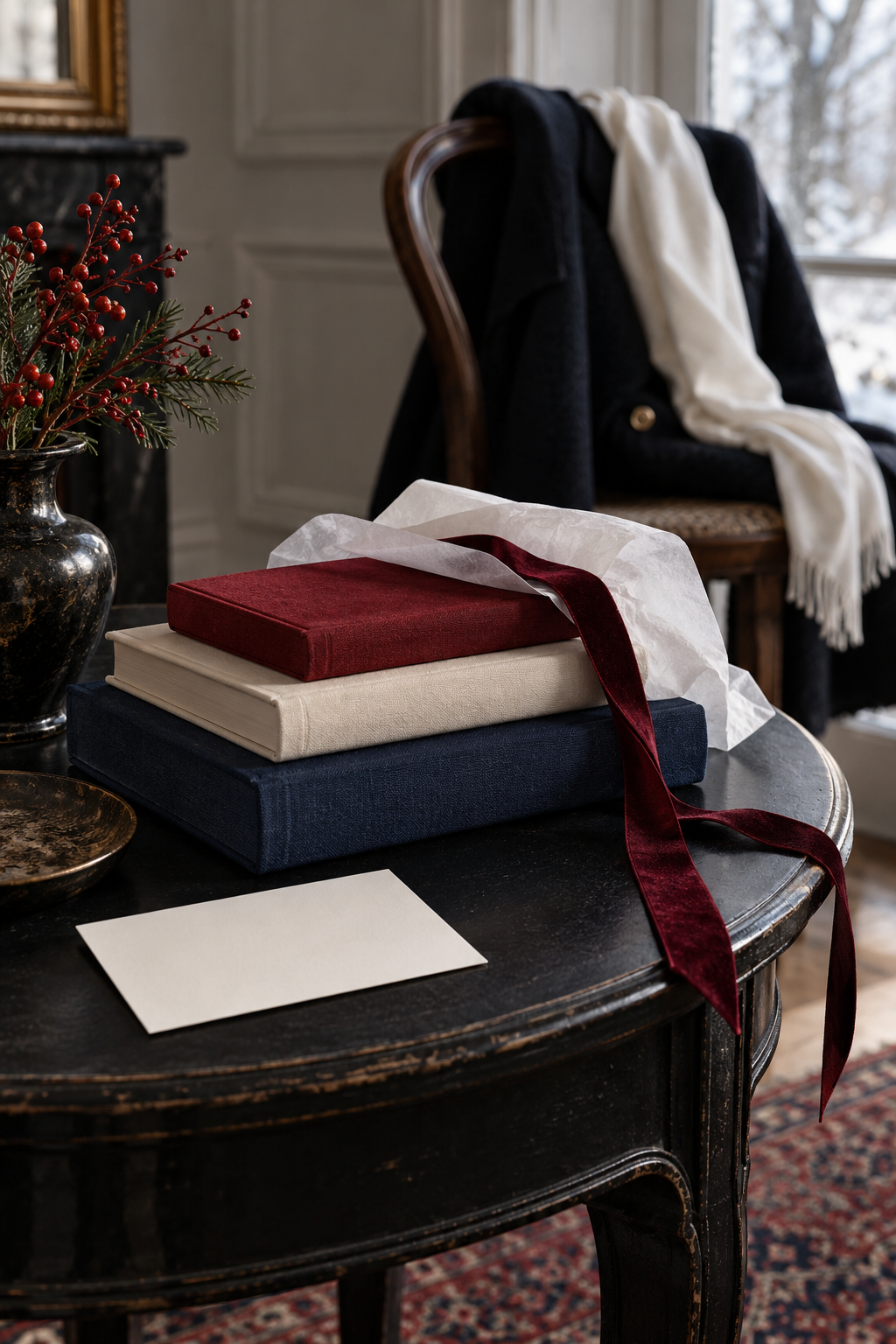
A fashion book becomes a personal gift when the giver recognizes what the reader actually stops to examine, whether that is a sleeve, a photograph or the story behind a celebrated show. Someone who saves close-ups of embroidery is asking a different question from someone who collects magazine editorials. The books might occupy the same shelf in a shop, but they offer quite different kinds of company once they come home.
That distinction is useful because a handsome cover tells you very little about how a person will spend time with what is inside. A book can invite sustained reading, reward intermittent looking or serve as a reference returned to for a specific detail. Before choosing, consider the recipient's habits as carefully as their favorite designer. A gift of intellectual ambition can be lovely, provided it does not arrive disguised as homework.
The reader who studies construction deserves a closer view.
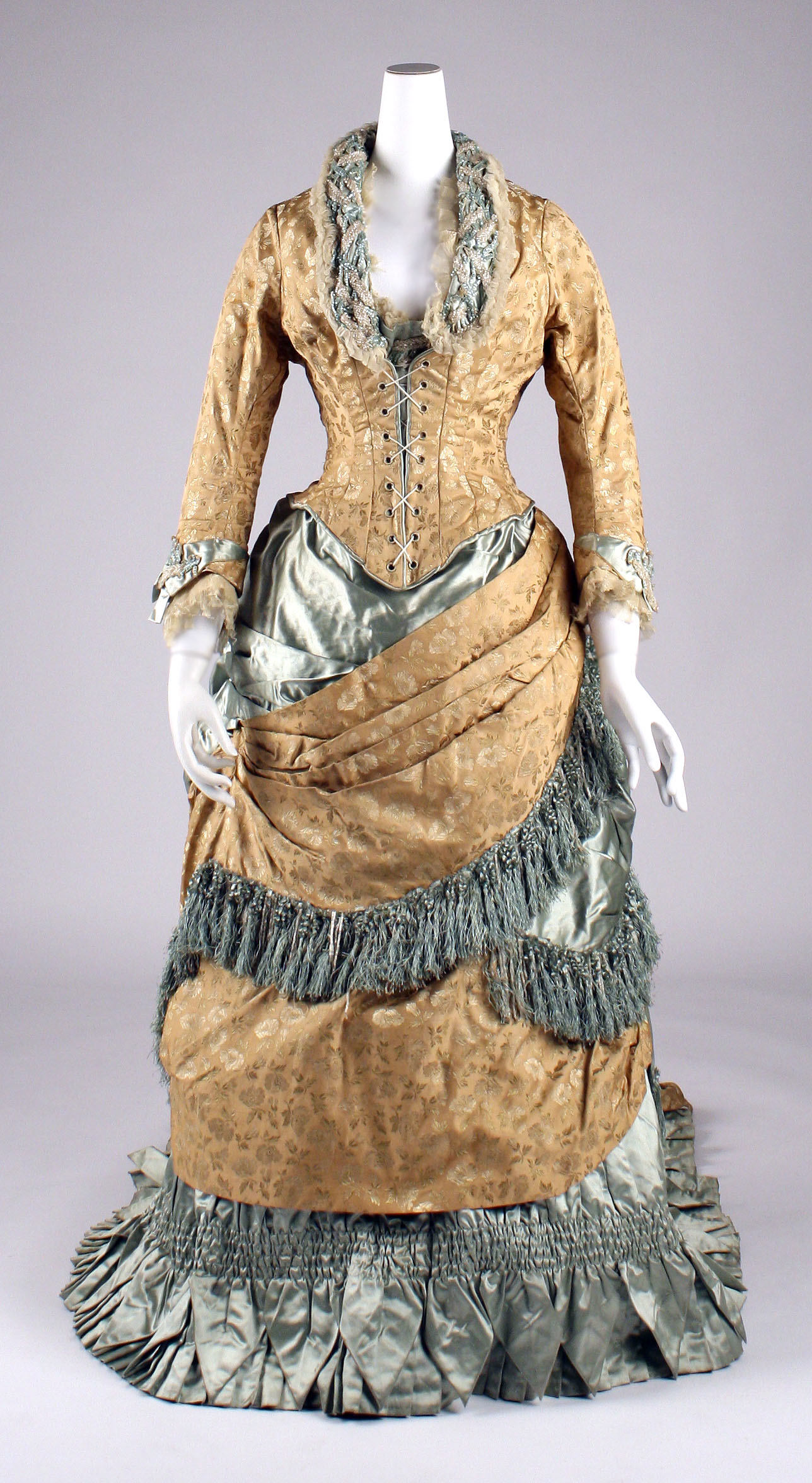
Lucy Johnston's *19th-Century Fashion in Detail* is a promising choice for someone drawn to how garments are put together. Thames & Hudson describes close photographs alongside commissioned line drawings, with chapters organized around subjects including construction, tailoring, embroidery and fastenings. That structure gives the gift a particular purpose: the reader can follow a technique or element, rather than needing to begin with a favorite fashion house.
The verified paperback is 240 pages, ISBN 9780500292648, and concentrates on nineteenth-century dress. Its historical scope is part of its appeal and also its boundary. It would be a less direct answer for someone seeking contemporary sewing instructions or a survey of current designers. For the person who routinely leans toward the glass in a costume gallery, however, the publisher's emphasis on garment details provides a clear reason to choose this volume over a general fashion anthology.
The reader who saves editorials may want to follow the making of an image.
Grace Coddington's *Grace: Thirty Years of Fashion at Vogue* brings together work from British and American Vogue between 1972 and 2002, with Coddington's commentary on the photographs. Phaidon's description makes it especially relevant to someone interested in the collaboration between styling, setting and photography. The appeal lies in following an editor's visual decisions across stories, rather than treating each image as a detached outfit reference.
The standard paperback currently described by the publisher has 408 pages and ISBN 9780714876795, and should be distinguished from the larger hardback and signed editions. Check the actual format before comparing prices, since a familiar title can conceal a different physical book. The period covered also matters: this volume is not a record of the latest Vogue. Give it to someone curious about this body of work, and first make sure they do not already own another edition.
The Chanel reader may want the garments as well as the name.
*Gabrielle Chanel: Fashion Manifesto*, associated with the Paris exhibition, is the choice here for a reader interested in examining the house through clothing and historical interpretation. Thames & Hudson lists photographs by Julien T. Hamon, archival documents and essays addressing topics such as the suit, accessories, cinema and Chanel's public identity. Those subjects give the book more specific work to do than simply placing a recognizable name on the coffee table.
The edition checked is the 304-page hardback, ISBN 9780500023464. Its exhibition-based selection and essays should be understood as a particular account of Chanel, rather than an exhaustive biography or a catalogue of every collection. It suits someone who already wants to look more closely at the garments and their presentation. If the recipient's main interest is contemporary handbags, the title alone is insufficient evidence that this is the book they want.
The reader who follows people and power may prefer a reported story.
Robin Givhan's *The Battle of Versailles* offers a narrative route into fashion through the 1973 event that brought American and French designers to the Palace of Versailles. The publisher provides an excerpt as well as a description, giving a prospective buyer a way to examine the prose before choosing. This is the candidate for someone who enjoys a story unfolding through people, institutions and a particular occasion.
The hardback record checked has 320 pages and ISBN 9781250053855. Its focus is that event and its significance, rather than a complete history of American fashion or a large-format collection of runway images. For a recipient who reads narrative nonfiction but rarely buys a fashion monograph, that distinction could make it the more inviting gift. Let their reading habits carry more weight than the assumption that a fashion present needs to be predominantly photographic.
The right edition is part of the present.
Once the title feels right, make the practical checks that prevent a thoughtful choice from arriving in a form the recipient would not have chosen. Confirm the ISBN, language, binding and dimensions, then compare the actual offers for that edition. A paperback may be easier to hold and read than a large hardback; its smaller price does not automatically make it a lesser gift. A signed edition is worthwhile only when that particular signature matters to the person receiving it.
A secondhand copy can be an excellent choice when its condition is described clearly enough for the occasion, including any writing, missing jacket or damage to the binding. Ask for copy-specific photographs where the appearance matters, since a stock cover cannot establish the condition of an individual book. To avoid duplicates without spoiling the gift, ask which fashion book they have been meaning to read, or recruit someone who knows their shelf. The surprise can reside in being understood.
The selections draw on the publishers' descriptions, contents information and available previews checked on October 14, 2026, with each choice matched to a different reading habit. For Christmas, confirm stock, gift returns and the arrival estimate with the seller handling the actual order. An authorized preview is also a useful final check that the writing or images offer the experience you want to give.
After the wrapping has gone, the gift succeeds when it invites the kind of attention its reader already enjoys giving to clothes, images or stories. A useful fashion library can hold meticulous garment study, extravagant image-making and a well-reported story side by side. What makes the gift personal is knowing which invitation this reader is most likely to accept.