Culture ·
A good secondhand knit should make sense before it arrives.
The useful questions concern its present condition, measurements and care, even when the label has already persuaded you to look.
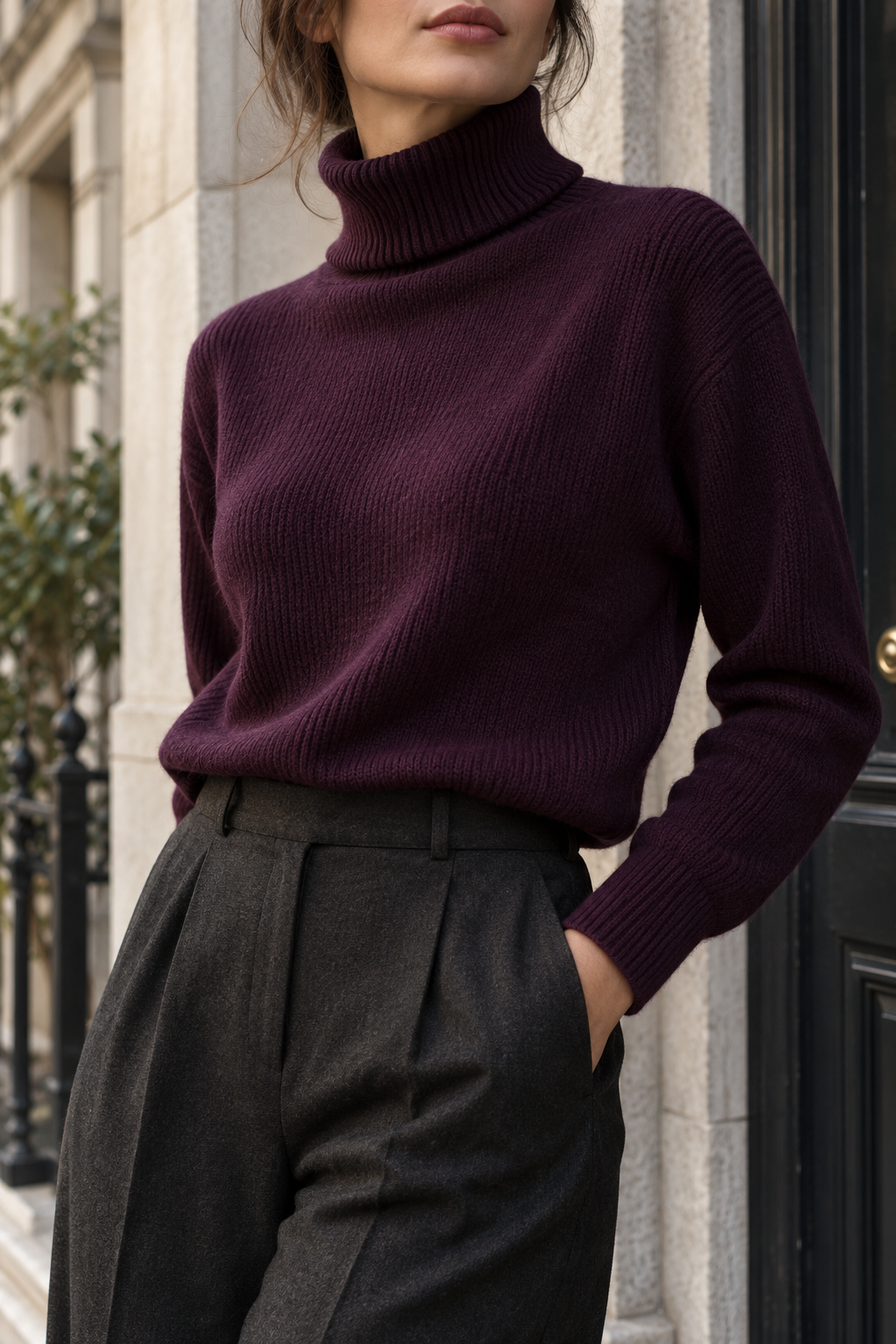
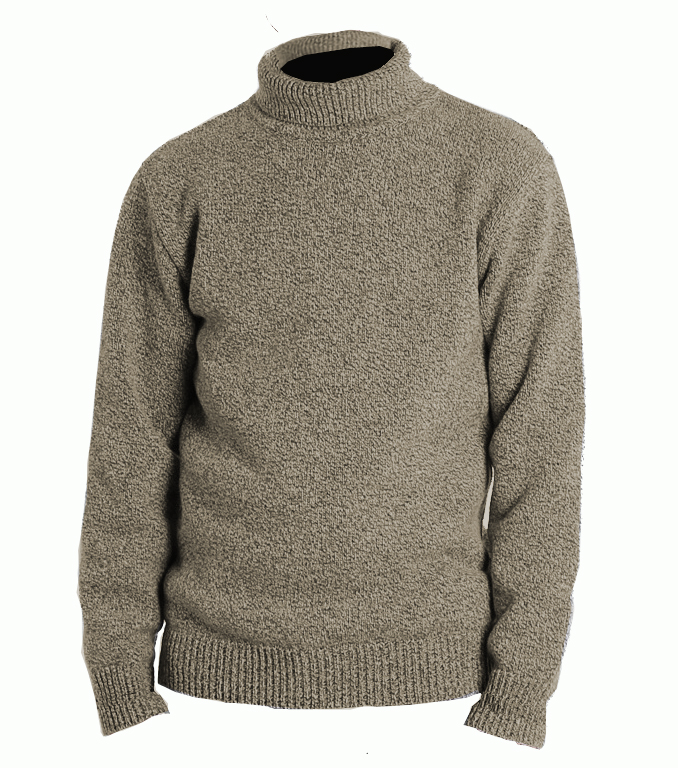
The photograph that makes a secondhand sweater irresistible is often the least useful one, with its sleeves folded neatly beneath it and its colour doing all the talking. A good seller may have taken it simply to make the garment look nice. The buyer still needs to see what the composition conceals: the cuffs, underarms, inside seams and shape of the body when it is laid out. An appealing knit deserves this closer inspection, especially when “barely worn” is being asked to substitute for a description.
Start with the role you want the sweater to play, because that makes its practical shortcomings much harder to romanticise at the point of purchase. A fine knit for wearing under a jacket needs different proportions from a generous weekend layer. Think about the neckline you actually reach for, how the hem will sit with your trousers and whether the colour works beside what is already in the wardrobe. The charming bargain that requires a new coat, a special bra and a different tolerance for itching has acquired quite an entourage.
Ask to see the garment that the description promises.
Request clear photographs of the front and back laid flat, followed by closer views of the neckline, cuffs, hem, underarms and any disclosed damage. Ask for both sides of a repair where possible, so you can see how it changes the fabric. A photograph of the composition and care labels is useful too. If a seller cannot provide these views, the uncertainty belongs in your decision rather than being quietly converted into optimism because the price feels manageable.
The distinction between surface wear and a structural problem matters more than the simple question of whether a used sweater looks perfectly new. Woolmark describes pilling as fibres forming small balls through abrasion, with wear often apparent where the garment rubs. Its occurrence depends on several factors, so a few bobbles cannot by themselves deliver a verdict on quality. Look separately for holes, thinning, open seams and distorted areas. Removing visible pills would not answer those questions, and a smooth photograph would not prove their absence.
Ask the seller directly about odours, previous repairs, alterations and any known moth damage, including whether a small hole is isolated or one of several. Photographs cannot certify that a garment is free from pests, establish how it smells or tell you exactly how a repair will feel against the skin. They also cannot authenticate a valuable label by themselves. If the purchase depends on an assurance that the listing cannot support, choose a seller or service able to address that particular concern, or let this sweater go.
Measure a sweater you already enjoy wearing.
A familiar size label is a useful starting point, but the measurements of the garment being sold are what allow a meaningful comparison with your wardrobe. Lay a sweater you like flat without stretching it and note its chest width from underarm to underarm, body length and sleeve length. Ask the seller for the equivalent measurements and for the points used. A sleeve measured from the centre back cannot be compared directly with one measured from the shoulder seam, however reassuringly both numbers are presented in inches.
Consider the measurements together with the construction, because a dropped shoulder and a broad body may create the intended shape rather than indicate a poor fit. Conversely, an unexpectedly short body or uneven hem deserves a question about washing or alterations. Ask whether the garment has shrunk, been stretched or had its sleeves shortened. An answer does not replace trying it on, but it gives you a more honest picture of the purchase than assuming the original label still describes its present proportions.
A fibre label can help you decide whether the sweater suits your preferences, but it cannot tell you everything about its softness, warmth or resilience. Photograph the complete composition rather than relying on the most attractive word in the listing. A blend may be exactly right for the way you dress, while a prized fibre can still appear in a garment whose shape or condition is unsuitable. The care label is part of this decision: Woolmark’s washing guidance begins with the garment’s care instructions, rather than treating every wool sweater as suitable for the same wash.
A repair needs an assessment before it becomes a bargain.
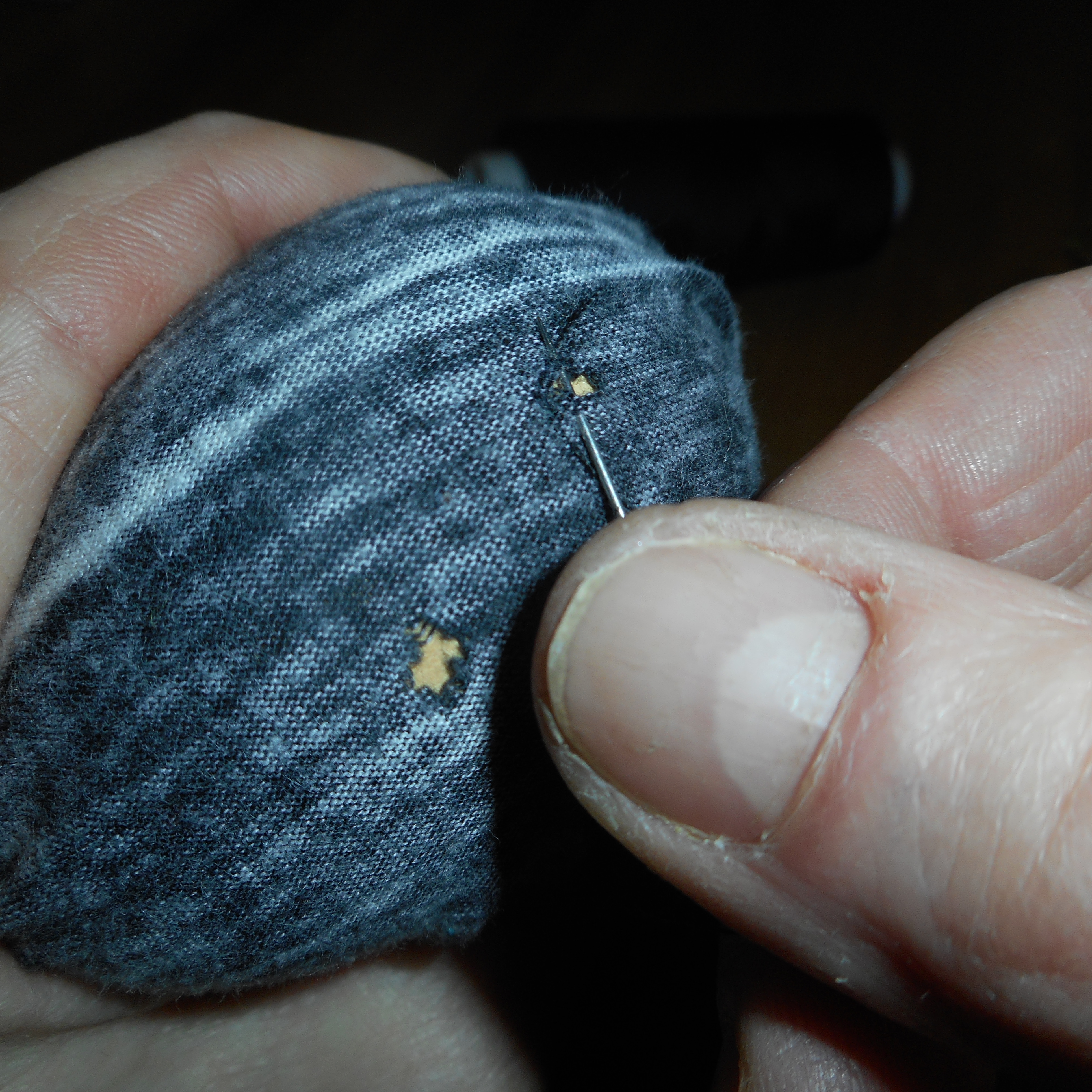
A visible mend can be a lovely part of a sweater’s appearance when its placement and texture suit the garment and the work has been done well. It can also be something you would rather not wear, which is a sufficient reason to decline. If you are considering buying a damaged piece, show detailed photographs to a repair specialist and ask what is possible, what it may cost and what will remain visible. Do this before assuming that a tiny hole means a tiny bill.
Brand repair services can help in particular cases, although their eligibility and practical conditions need to be checked against the garment you are considering. TOAST’s repair service accepts its own garments regardless of when or where they were bought and offers visible and less visible approaches through its shops. Its terms also allow it to refuse extensively damaged items or work beyond its expertise. That is a useful reminder that even an established repair programme assesses the actual piece; it does not make every damaged sweater from that label a sensible purchase.
Calculate the amount you will spend before wearing the knit, including shipping, any applicable tax or import charges, cleaning and a repair quote where needed. Compare that sum with another garment in a condition you would accept immediately. A lower purchase price may still be worthwhile if you actively want the repaired result, but the calculation should include your time and the possibility that the proposed work cannot be done. The point is to buy a sweater you want to wear, not an unusually soft administrative project.
The return terms should survive a close reading too.
Read the listing’s return policy before paying, especially if fit or feel will determine whether you can use the sweater, and keep a copy of the description. Protection for a misdescribed item is not the same as permission to change your mind. For eligible purchases, eBay’s Money Back Guarantee covers an item that arrives with undisclosed damage even when the seller generally refuses returns, subject to its requirements and exceptions. A correctly described garment that simply does not suit you is a different situation. Check the terms for the site where you complete the purchase, including any special authentication or final-sale conditions.
When it arrives, compare the garment with the listing promptly and resolve any discrepancy before cleaning, altering or repairing it, following the platform’s applicable process. Then care for it according to its actual label and condition. The best secondhand knit leaves you with a colour, shape and texture you are pleased to wear, at a total cost you understood in advance. A little patience with the listing makes room for that pleasure to begin with the sweater itself.